Build reference
Drawings and the component list establish what is being checked.

Material, structure, installed equipment and vehicle functions checked against the agreed specification.
Quality checks follow the parts of the trailer that carry the load, connect to the tractor and perform the daily work. The inspection focus changes with the product: tank compartments and outlets, powder discharge equipment, platform supports, tipping mechanisms or cargo gates.
The order specification sets the reference for dimensions, materials, components and acceptance. Inspection access, any specialist testing and the records required by the buyer are defined around the selected vehicle.
Drawings and the component list establish what is being checked.
The inspection scope follows the tank, body, chassis and fitted equipment.
Order-specific reports and identification details support the handover.
Plate thickness, material identification and critical dimensions are considered against the production specification. Chassis length, axle locations and body supports are checked in relation to the complete layout.
For tankers, the review includes the tank arrangement and specified connections. For cargo equipment, deck geometry, loading space and the positions of gates or locks are important.
Chassis beams, tank supports, tipping-body mountings and cargo frames carry different loads. Their joints and assembled geometry are reviewed with the intended duty in mind.
Any required weld examination, tank integrity checks or witnessed tests are specified for the actual design. A general trailer checklist does not define the testing requirements of every tanker.
The final equipment review covers the running gear, brakes, lights, landing gear and connections supplied with the vehicle. The fitted components are compared with the accepted order.
Checks also follow the working system: outlet and valve operation on fuel tankers, air and discharge arrangements on powder tankers, tipping equipment on tippers, and gates or locks on cargo trailers.
A buyer or nominated inspector can review the vehicle against an agreed checklist and visit schedule. The review should identify both completed checks and any items still requiring attention.
Before release, the equipment reference, agreed reports and supplied accessories are checked together. Company certificates, product documents and inspection reports each serve a different purpose.
The dated specification and drawings identify the vehicle, components and agreed options.
The agreed checklist defines examination points, acceptance references and any witnessed stages.
Confirm the equipment identification, supplied records and resolution of outstanding items.
Identify the critical dimensions, functions and applicable references that matter to your operation.
Tell us whether your team or an independent inspector needs access, and at which production stage.
List inspection reports, material documents and applicable certificates. Match each document to the equipment and destination.
Share the proposed inspector, checklist and required stage of access before order confirmation. The inspection arrangements and any additional requirements can then be included in the agreed scope.
No. A management-system certificate relates to its stated company scope; a product certificate applies to the models and conditions it lists. Review the relevant documents for the equipment and destination.
No. The medium, tank type, design and applicable requirements determine the test scope. State the required tests and records in the technical specification for review.

Share your inspection checklist, document requirements and any third-party arrangements before the order is confirmed.
Send your requirements ↗Describe your application and where the equipment will be used.
Contact via WhatsApp ↗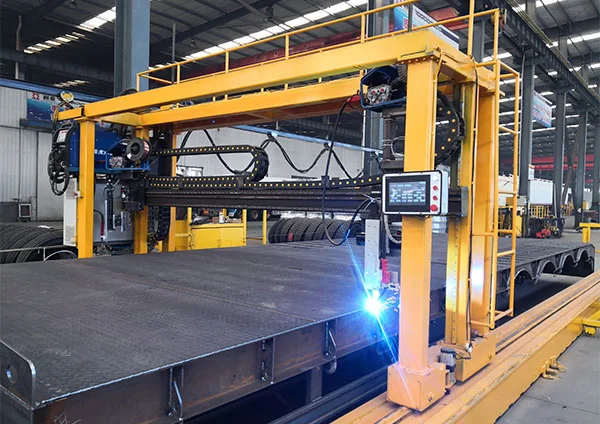
From plate preparation and structural fabrication to vehicle assembly, finishing and pre-dispatch checks.
Find out more ↗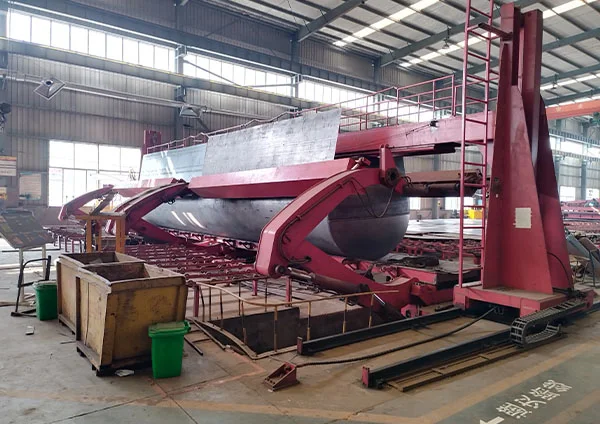
Match the tank, cargo body, chassis and working equipment to your load, route and tractor.
Find out more ↗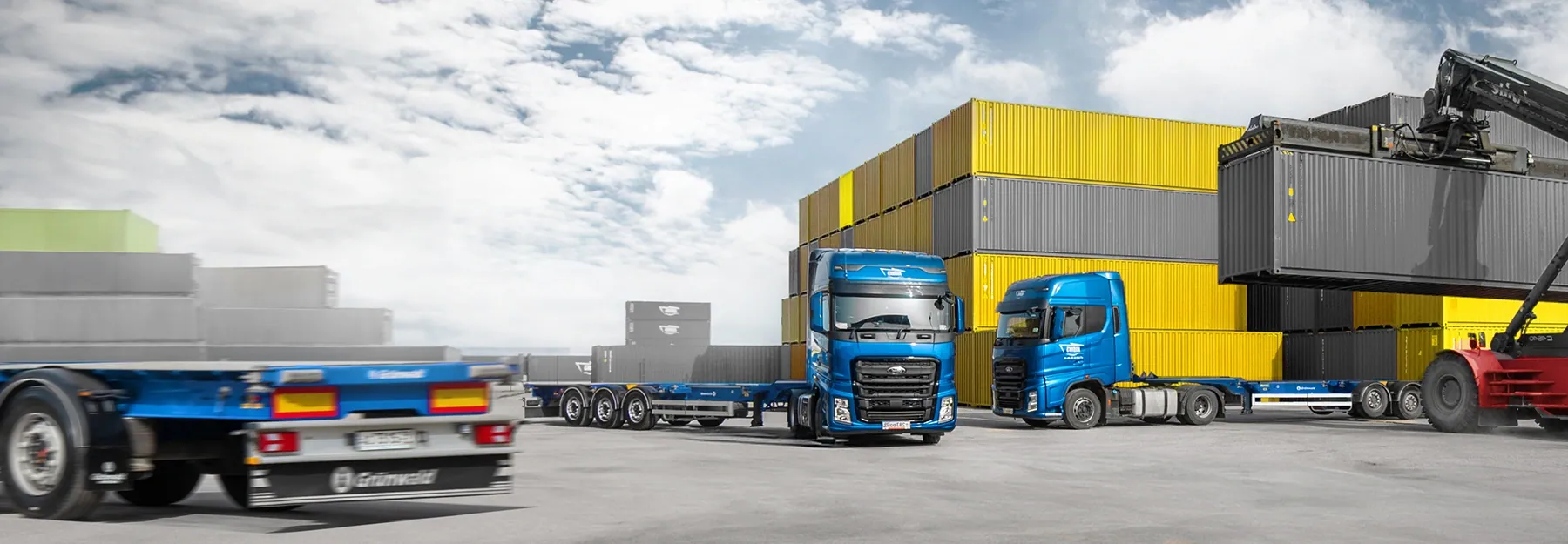
Equipment preparation, shipping arrangements and order documents coordinated around your destination.
Find out more ↗
Technical enquiries and replacement-part support linked to the trailer, its components and the original order.
Find out more ↗ Get a Special Quote ↗