Destination configuration
Vehicle dimensions, interfaces and the requirements supplied for the operating market.
Equipment preparation, shipping arrangements and order documents coordinated around your destination.
Plan your delivery
An export delivery begins with the vehicle configuration and the country where it will work. Dimensions, axle arrangement, lighting, tractor connections and any product-specific documentation need to be addressed before production is complete.
The shipment plan then brings together the trailer dimensions, available shipping route, loading method and receiving arrangements. Packing, identification and document preparation follow that plan, with responsibilities stated in the order.
Vehicle dimensions, interfaces and the requirements supplied for the operating market.
Shipment dimensions, loading access and any agreed dismantling or reassembly.
Consignee details, packing information and the documents included with the order.
Working with fleet operators, transport companies, distributors and project buyers across five export regions. Explore the markets and equipment requirements below.
All 47 export markets
| Region | Markets served | Equipment & customers |
|---|---|---|
| 01Asia Pacific | Japan · South Korea · India · Pakistan · Vietnam · Thailand · Indonesia · Philippines · Malaysia · Cambodia · Myanmar (Burma) · Kazakhstan | Flatbeds, fence cargo trailers, tippers, container chassis and tank transport equipment. Regional logistics fleets, container hauliers, construction contractors and equipment distributors. |
| 02Africa | Tanzania · Mozambique · Malawi · Zimbabwe · Zambia · Algeria · Libya · Sudan · Ethiopia · Kenya · Rwanda · Congo - Kinshasa · Mali · Ghana · Nigeria · Sierra Leone · Liberia · Guinea · Côte d’Ivoire · Senegal · Benin · Burkina Faso · South Africa | Fuel tankers, cargo trailers, tippers and lowbeds configured around the load, road conditions and maintenance arrangements. Fuel distributors, long-haul fleets, mining and infrastructure contractors, and regional dealers. |
| 03The Americas | Brazil · Argentina · Chile | Container chassis, tippers and fuel tankers, with loading interfaces and shipment plans reviewed for the destination. Port and inland transport operators, bulk-material hauliers, fleet purchasers and distributors. |
| 04Eastern Europe | Russia · Ukraine | Flatbeds, tippers, lowbeds and cargo trailers, with climate, axle loading and coupling details defined before manufacture. Freight fleets, heavy-equipment transport companies, construction businesses and specialist dealers. |
| 05The Middle East | Saudi Arabia · Iran · Iraq · United Arab Emirates · Kuwait · Oman · Qatar | Fuel and gas tankers, bulk-material transport, container platforms and tippers for the agreed operating conditions. Energy distributors, industrial operators, construction fleets and equipment procurement teams. |
 Vietnam
 Tanzania
 Nigeria
 Guinea
 Kazakhstan
 Mali
 Côte d’Ivoire
 Ghana
 Myanmar (Burma)
 Zambia
 Saudi Arabia
 Indonesia
 Malaysia
 Russia
Selected around your equipment, receiving port and assembly arrangements.
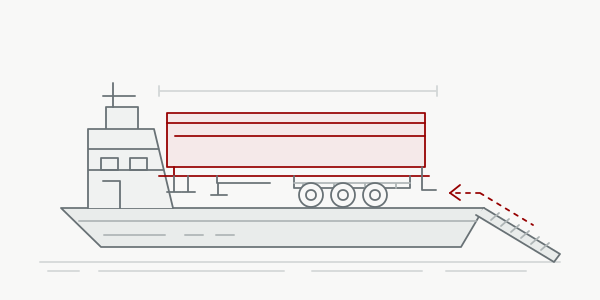
Where the route and carrier permit, trailers can be shipped in an assembled, rolling condition. The plan considers the vehicle dimensions, handling arrangements and equipment protection for the journey.
This approach can reduce the need for dismantling. Port acceptance, availability and freight scope are checked for the actual shipment.
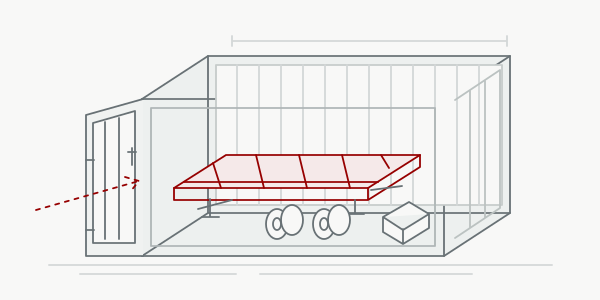
Suitable trailer designs or subassemblies may be prepared for container loading. The arrangement depends on the frame and body dimensions, the components removed and the space needed to secure the load.
If dismantling is included, package identification and the reassembly scope are agreed before dispatch. A container plan is assessed for the selected equipment rather than assumed for every model.
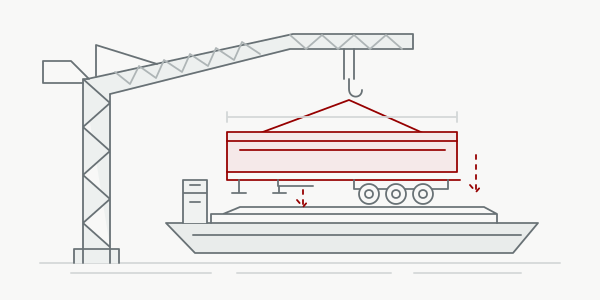
Oversized units or equipment that does not suit standard container loading may require a breakbulk arrangement. Lifting points, supports and protection are considered with the carrier and loading plan.
Shipment dimensions and handling requirements are confirmed before a freight offer is finalised, together with the receiving port and any onward transport responsibility.
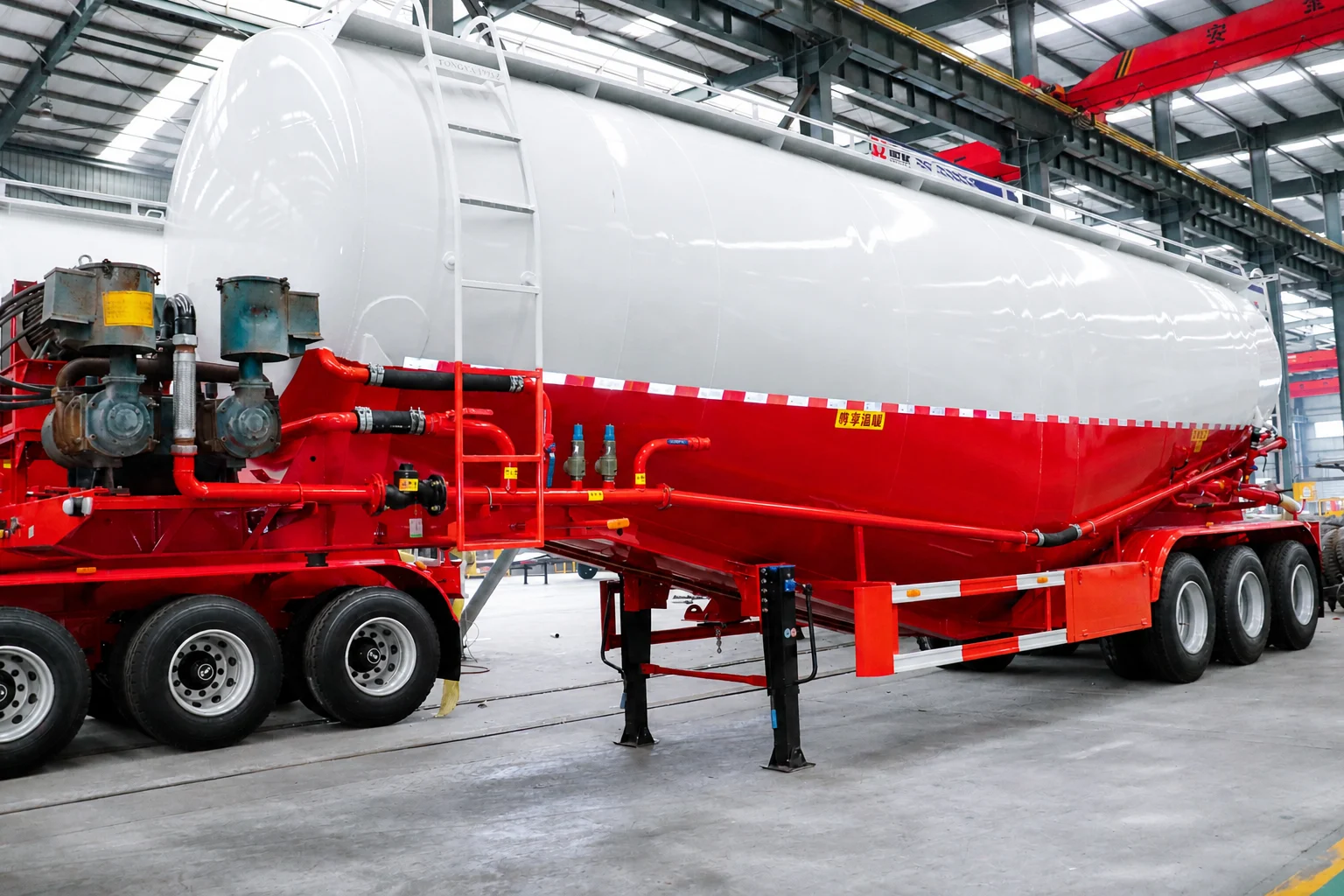
Finished equipment is compared with the agreed configuration, including identification, fitted accessories and any items packed separately.
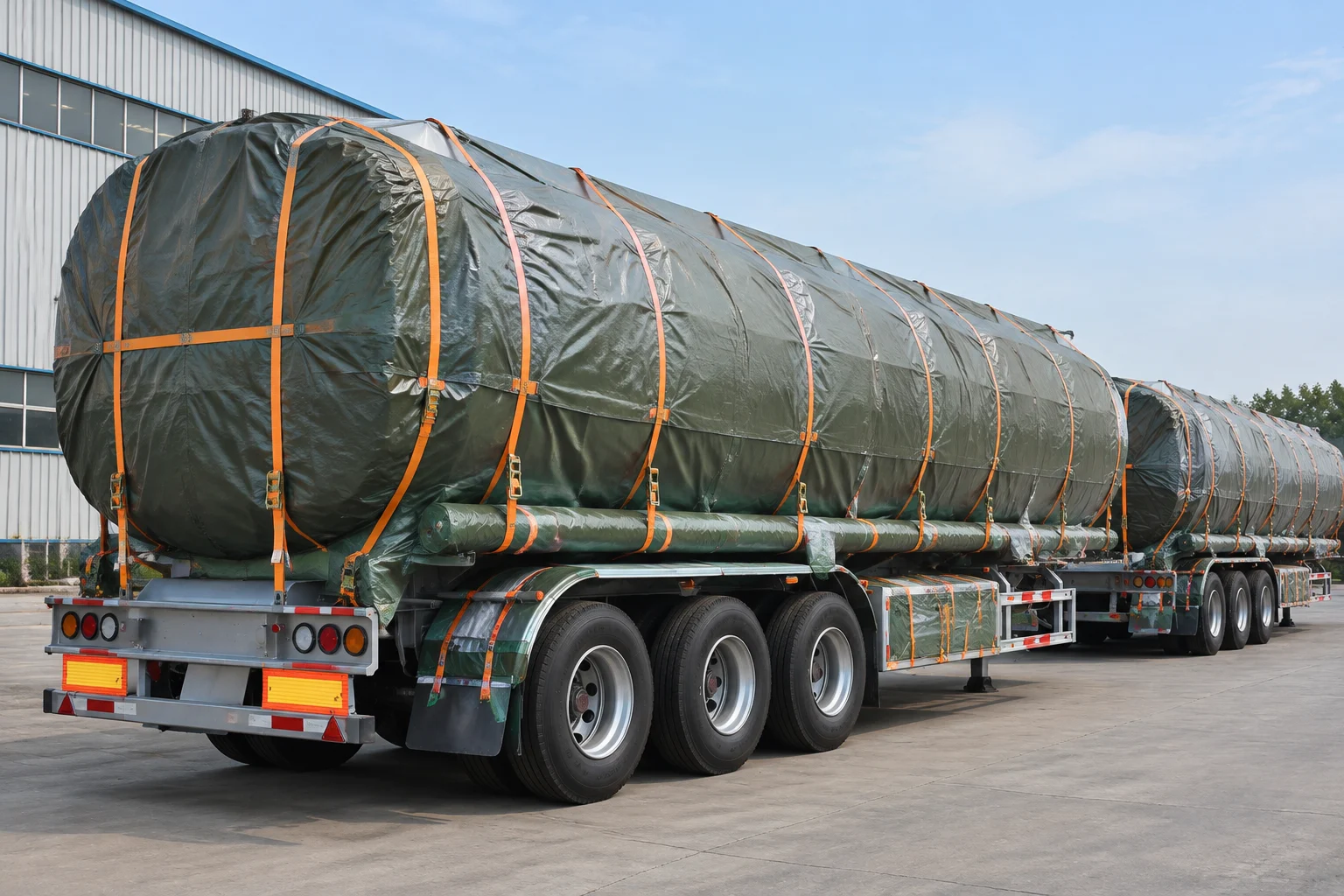
Loose parts are secured and packages identified to suit the loading method. Exposed areas and accessible components are considered in the shipment-protection plan.
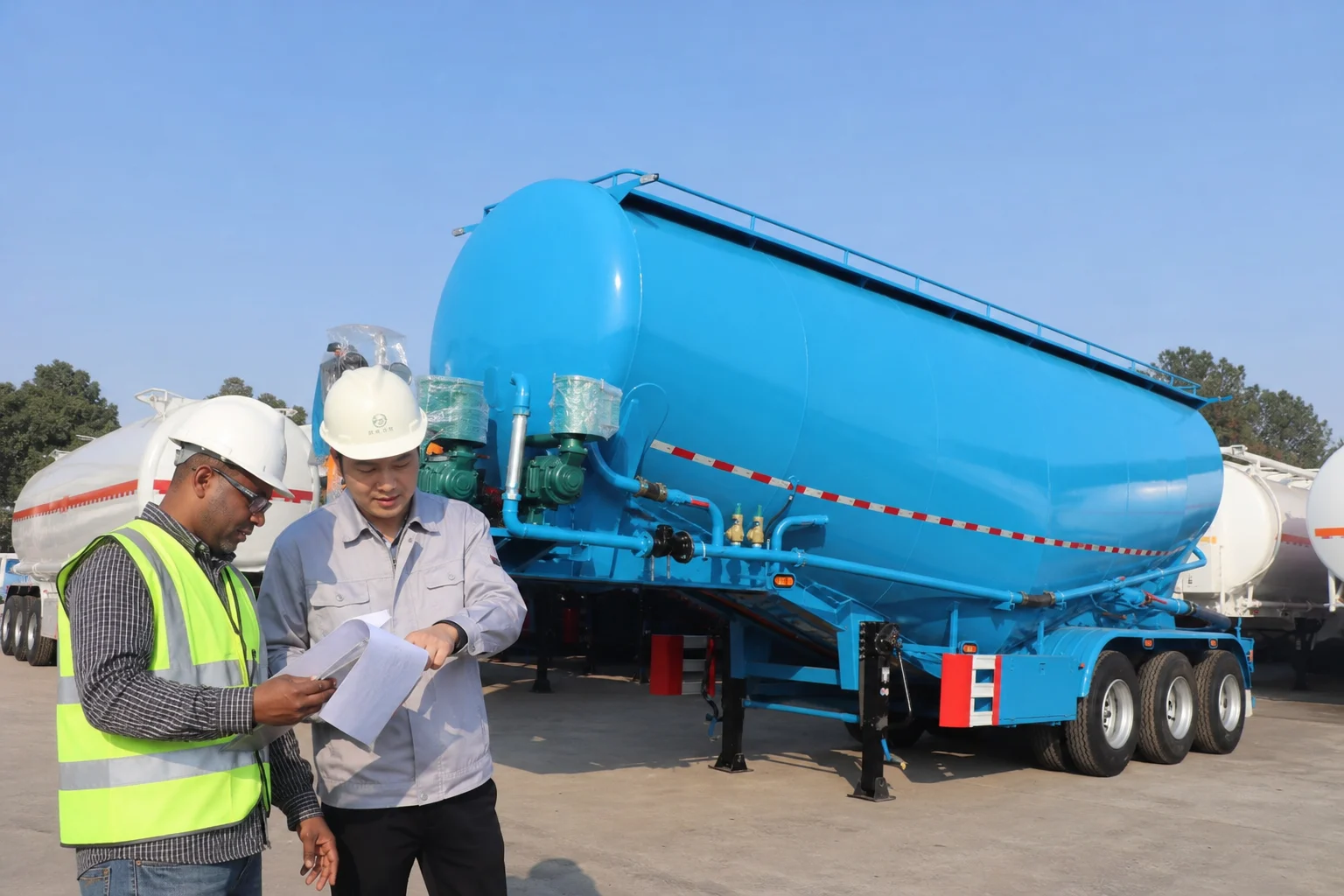
The receiving team uses the vehicle and packing references to check what has arrived. Any assembly information and support contacts included with the order remain with the equipment file.
One agreed plan, from factory release to your receiving team.
Identify the operating country, receiving port and consignee.
Review dimensions, transport method and packing scope.
Check the supplied configuration and agreed acceptance items.
Coordinate loading details and the order document set.
Check delivery against the packing list and retain vehicle references.
Agree the required documents before production. The final set depends on the product, destination and terms of your order.
Confirm your document listProduct description, quantity and agreed commercial particulars aligned with the order.
Vehicle references, loose-item quantities, package marks and the loading arrangement.
The relevant transport document and its issue or release arrangements, coordinated with the responsible carrier or forwarder.
Any origin certificate or import document specified for the shipment, including the requested format and arranging party.
Equipment identification and the reports included in the agreed inspection scope. Tank-specific records depend on the design and order.
The operating, assembly or maintenance information included for the supplied configuration, together with references for parts support.
Send the product type, required quantity, cargo or application, destination country and receiving port. Include your preferred delivery window and any registration, inspection or document requirements. The final configuration and transport dimensions are needed to confirm the shipment scope.
The decision depends on the finished dimensions, batch quantity, available carrier services and your receiving facilities. RoRo suits an accepted complete-vehicle arrangement; container shipment requires a feasible loading and, where applicable, assembly plan; breakbulk needs suitable handling and securing arrangements. Confirm the proposed method in the quotation.
Check the agreed delivery terms and the itemised quotation. Equipment, inland transport, ocean freight, cargo insurance, destination charges and import costs may have different responsibilities. Any insurance cover and its conditions must be confirmed for the actual order.
Tell us during the order discussion. Share your forwarder's collection and document requirements, or the inspector's scope and timing, so these can be included in the production and dispatch plan. Confirm access, responsibilities and any associated charges before making arrangements.
Provide the requirements from your local authority or qualified import adviser before approving the configuration. We review the requested equipment and document scope against the proposed model. Model-specific approvals, pressure-vessel requirements or third-party reports must be confirmed for the order; they are not assumed to apply to every product.
The agreed schedule depends on the final specification, order quantity, production plan and carrier booking. Confirm the intended delivery milestone in writing. At arrival, compare the equipment and accessories with the packing list, record their condition and retain the shipment and vehicle references for any follow-up.
Share the equipment quantity, receiving country and destination port so we can clarify the delivery scope.
Send your requirements ↗Describe your application and where the equipment will be used.
Contact via WhatsApp ↗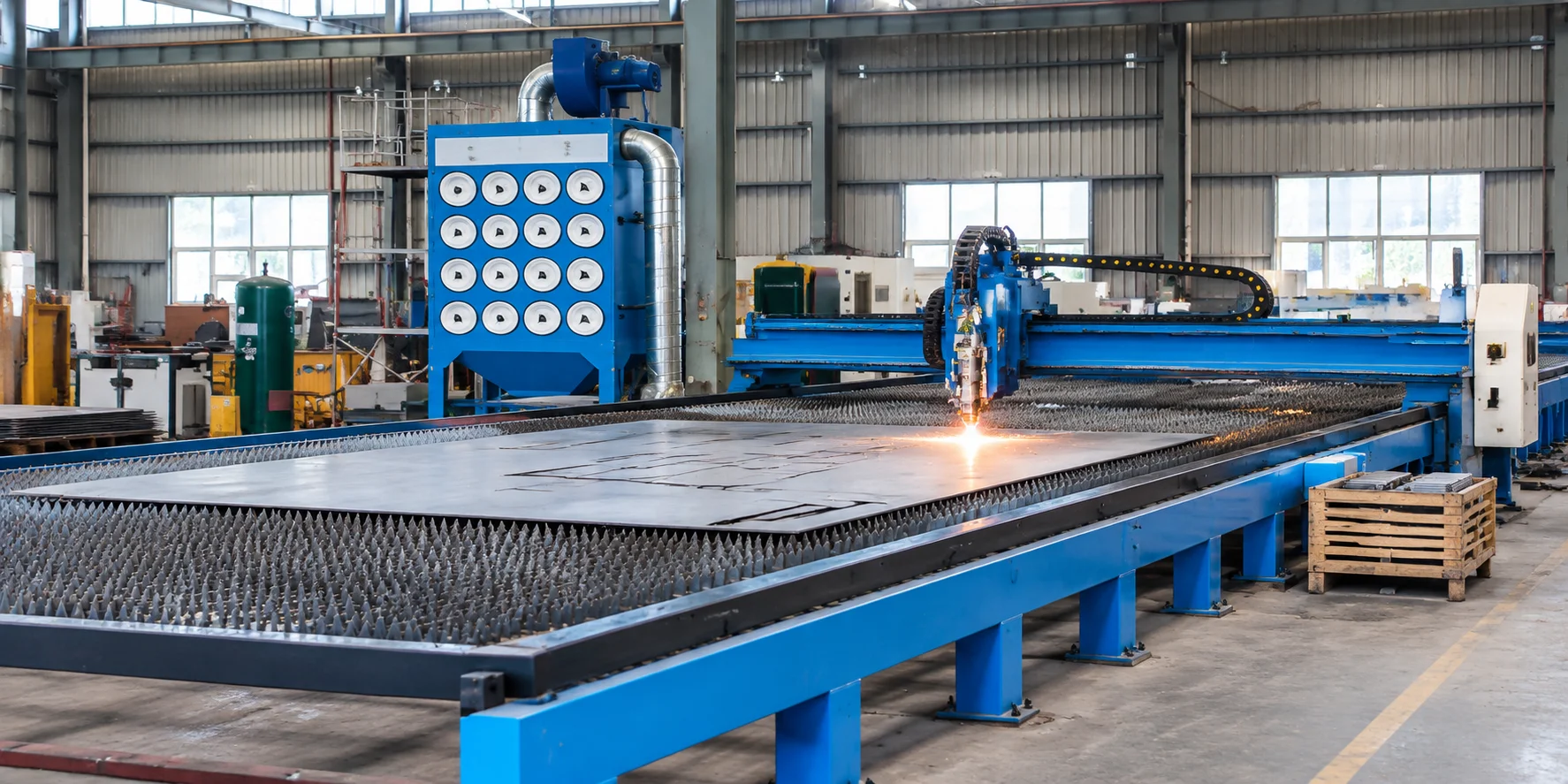
From plate preparation and structural fabrication to vehicle assembly, finishing and pre-dispatch checks.
Find out more ↗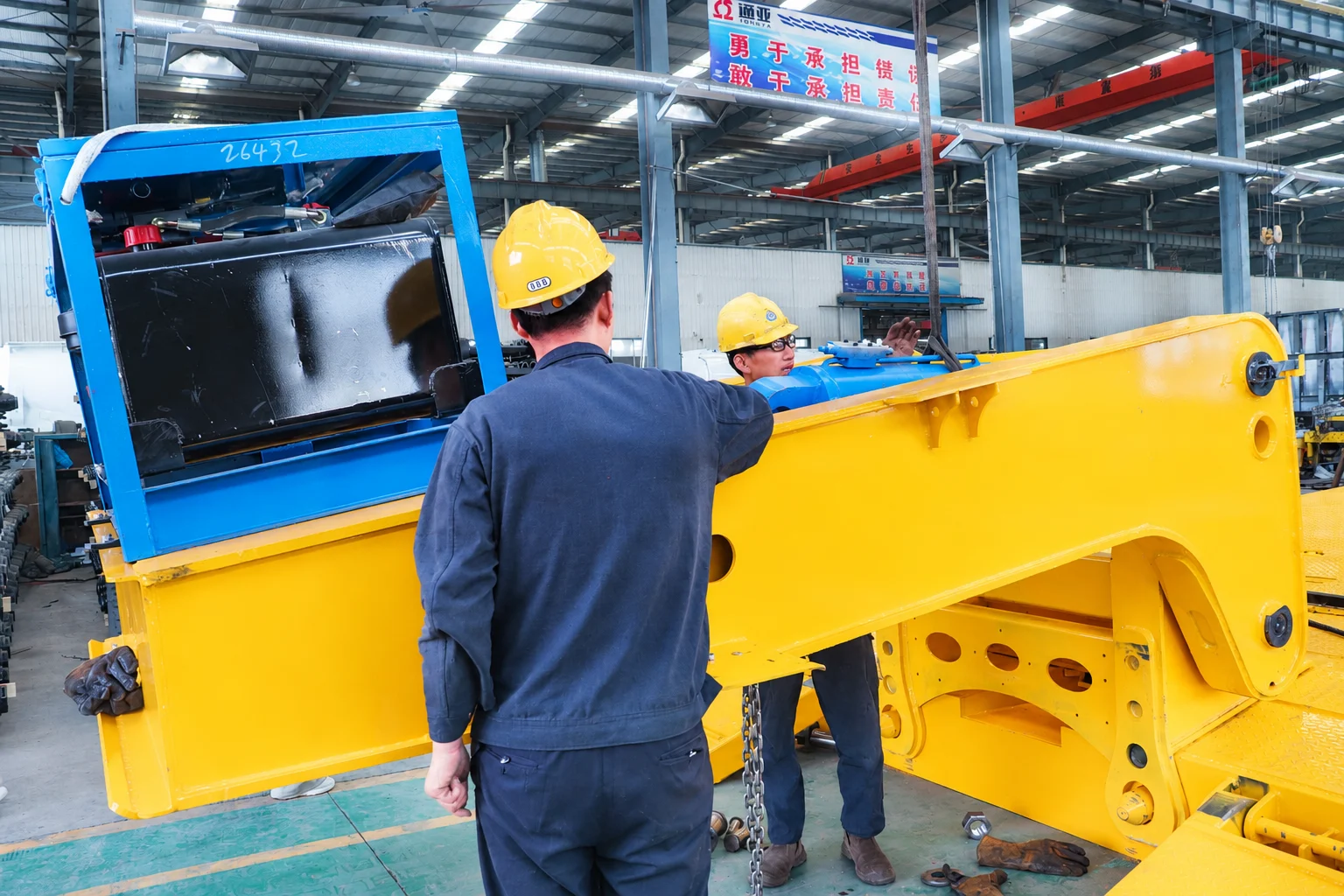
Material, structure, installed equipment and vehicle functions checked against the agreed specification.
Find out more ↗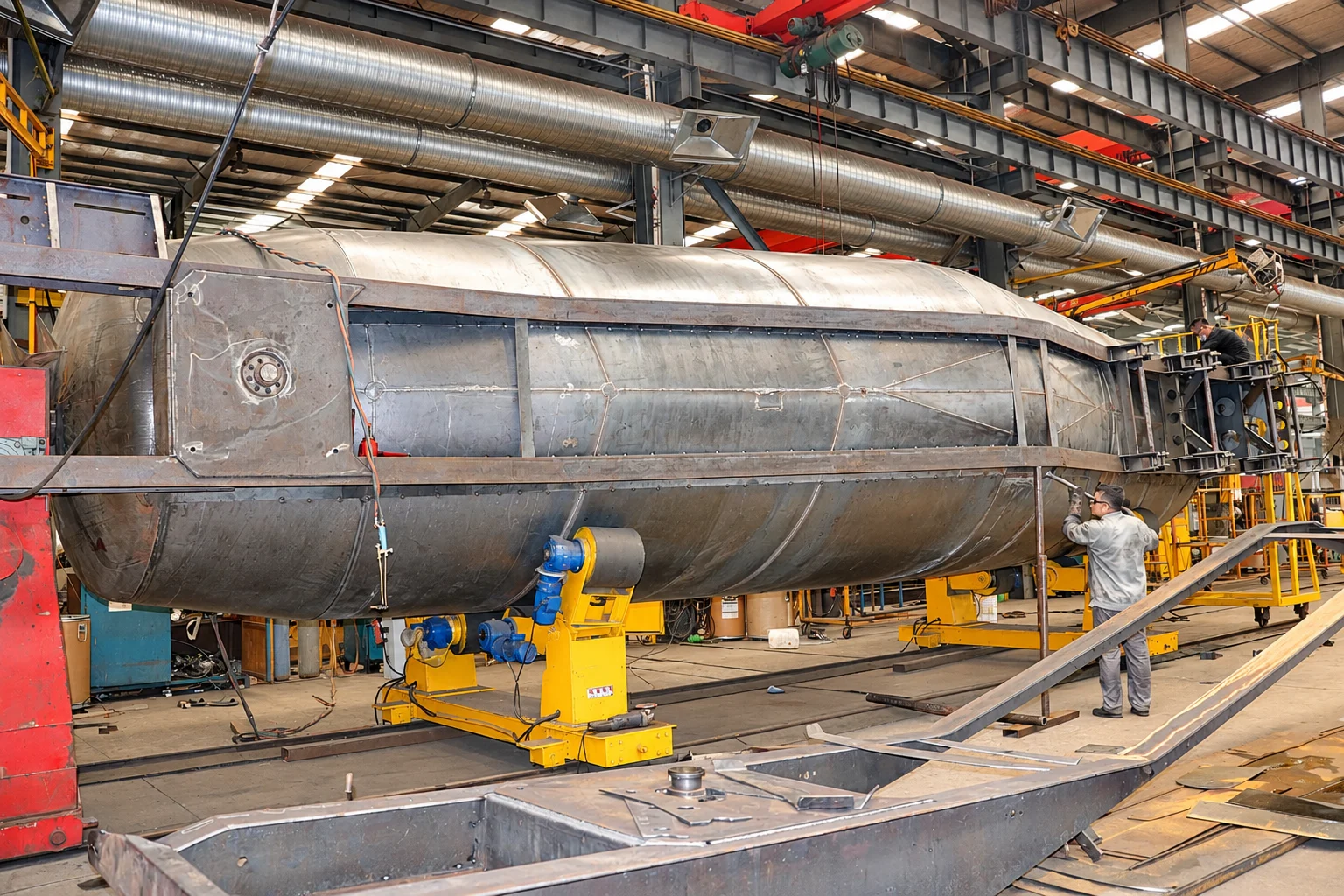
Match the tank, cargo body, chassis and working equipment to your load, route and tractor.
Find out more ↗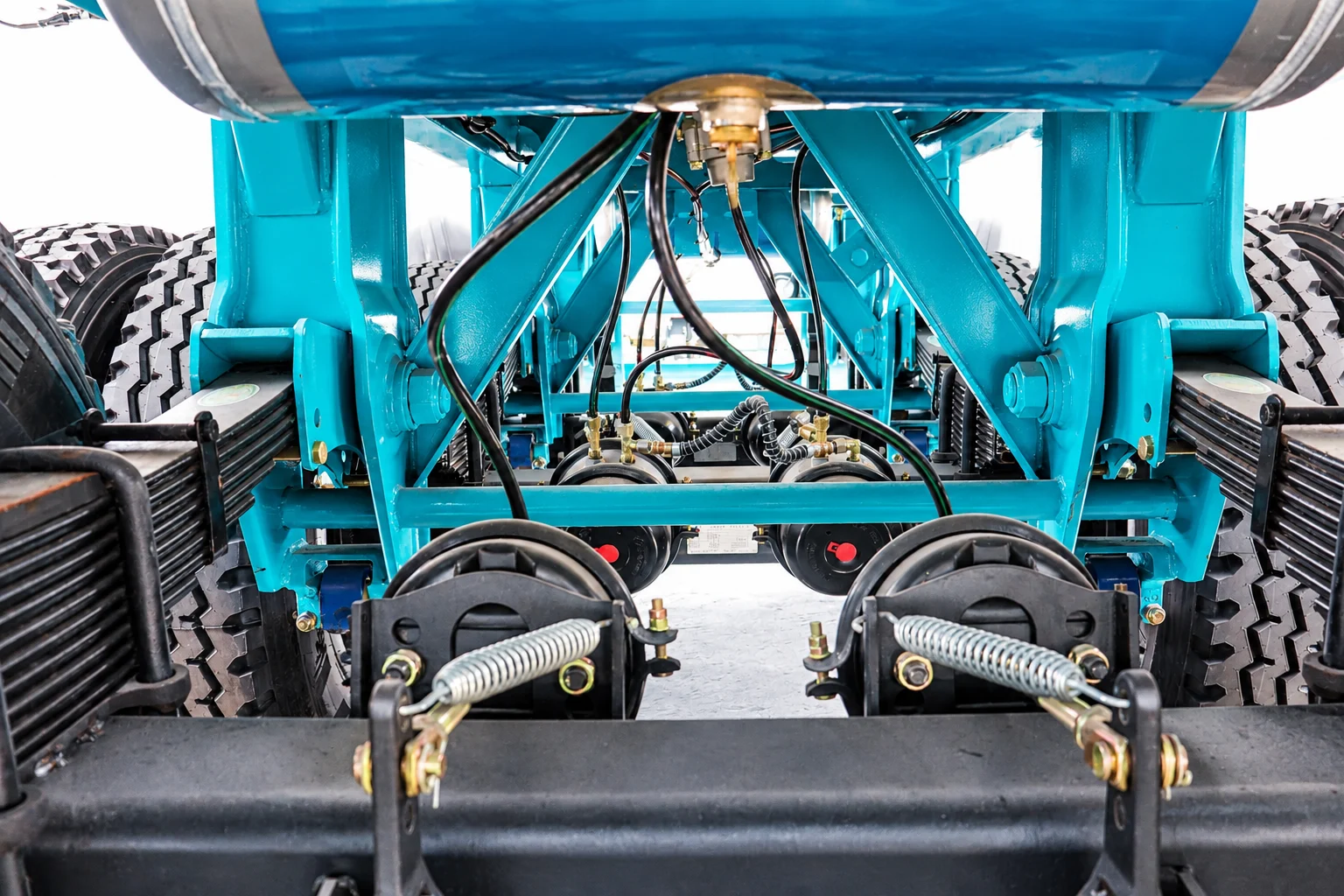
Technical enquiries and replacement-part support linked to the trailer, its components and the original order.
Find out more ↗ Get a Special Quote ↗