Structure first
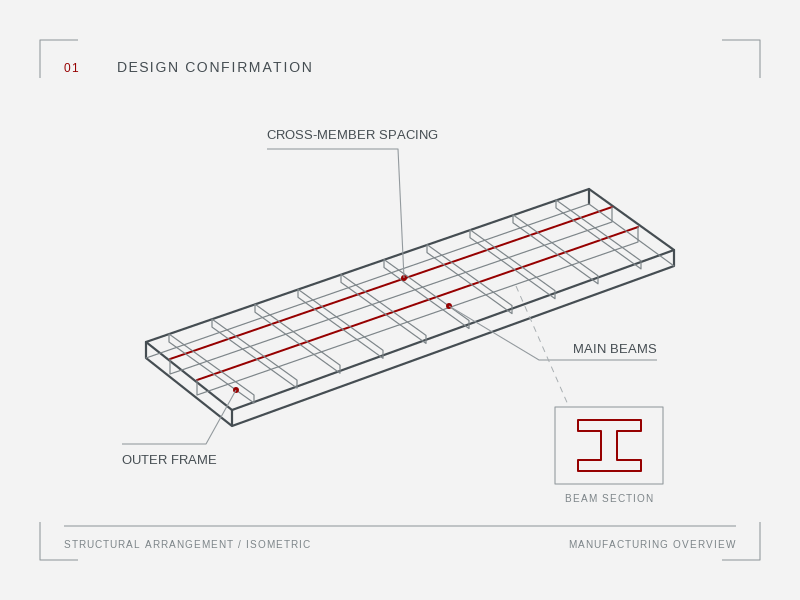
Chassis beams, tank shells and cargo bodies are prepared for the selected load and layout.
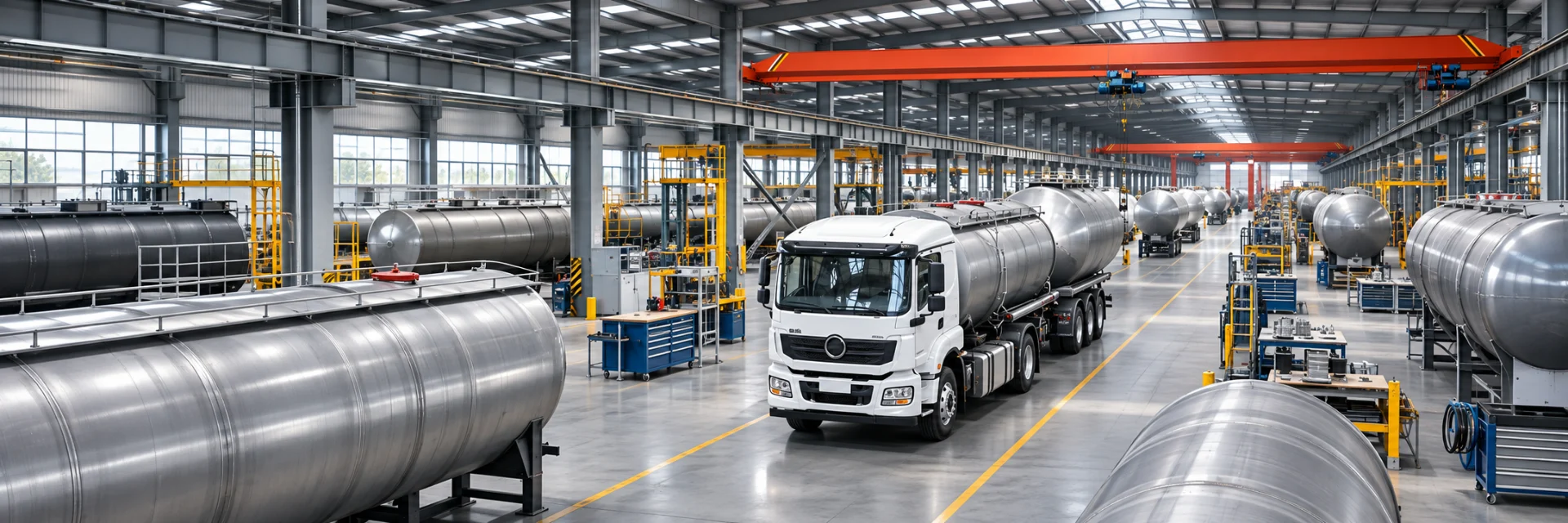
From plate preparation and structural fabrication to vehicle assembly, finishing and pre-dispatch checks.
Manufacturing connects the load-carrying structure with the equipment used every day: a fuel tank and its outlets, a powder tank and discharge system, an open platform, a tipping body or a fence-sided cargo deck. The approved design defines how these parts are made and assembled.
Our production workflow covers material preparation, forming, welding, dimensional checks, coating and final assembly. Each trailer family follows the operations relevant to its structure, with the accepted drawing and component list providing the reference throughout the build.
Chassis beams, tank shells and cargo bodies are prepared for the selected load and layout.
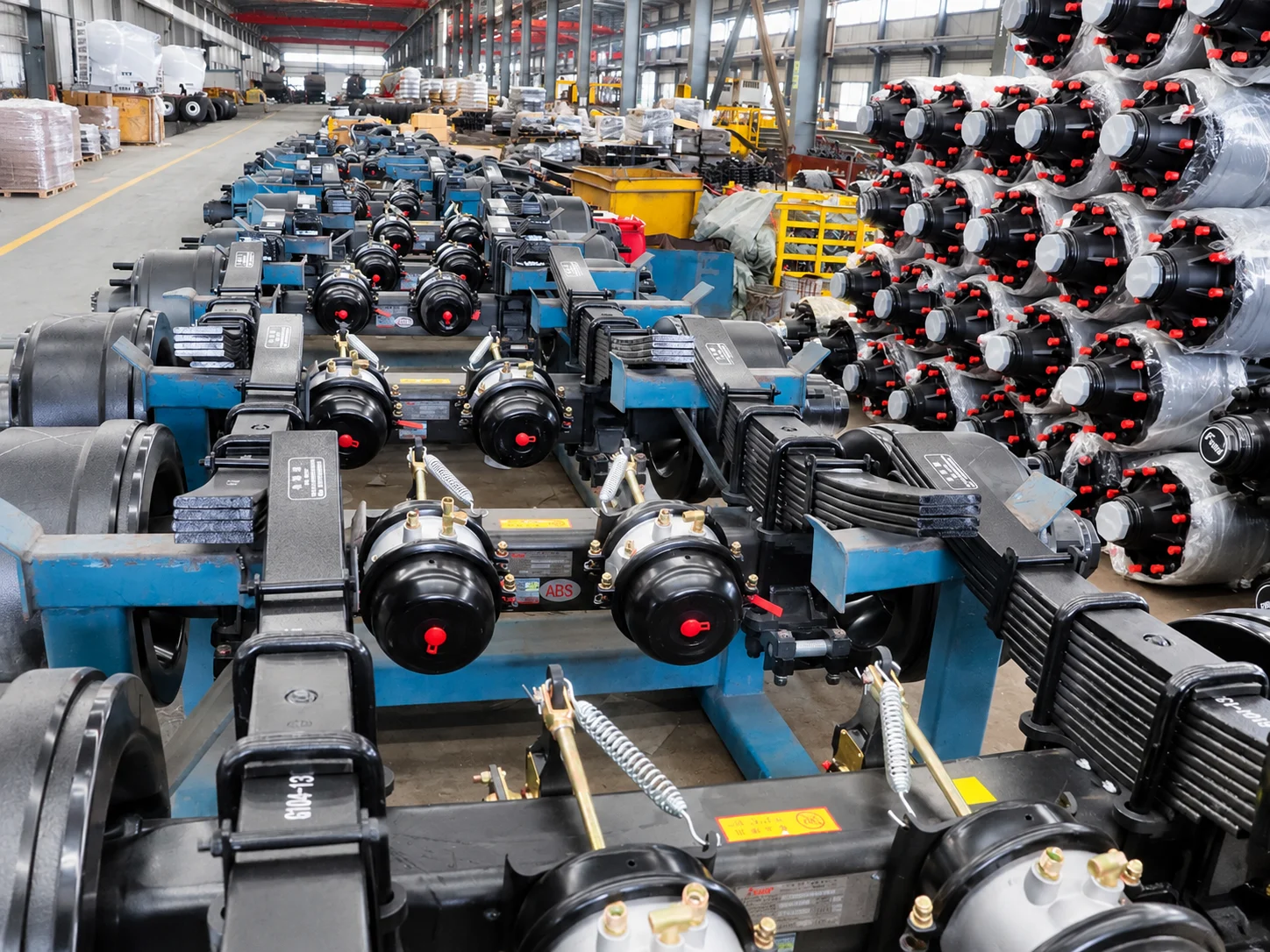
Axles, suspension, brakes and working equipment are brought together around the vehicle design.
Finished equipment is checked against the order before packing and dispatch preparation.
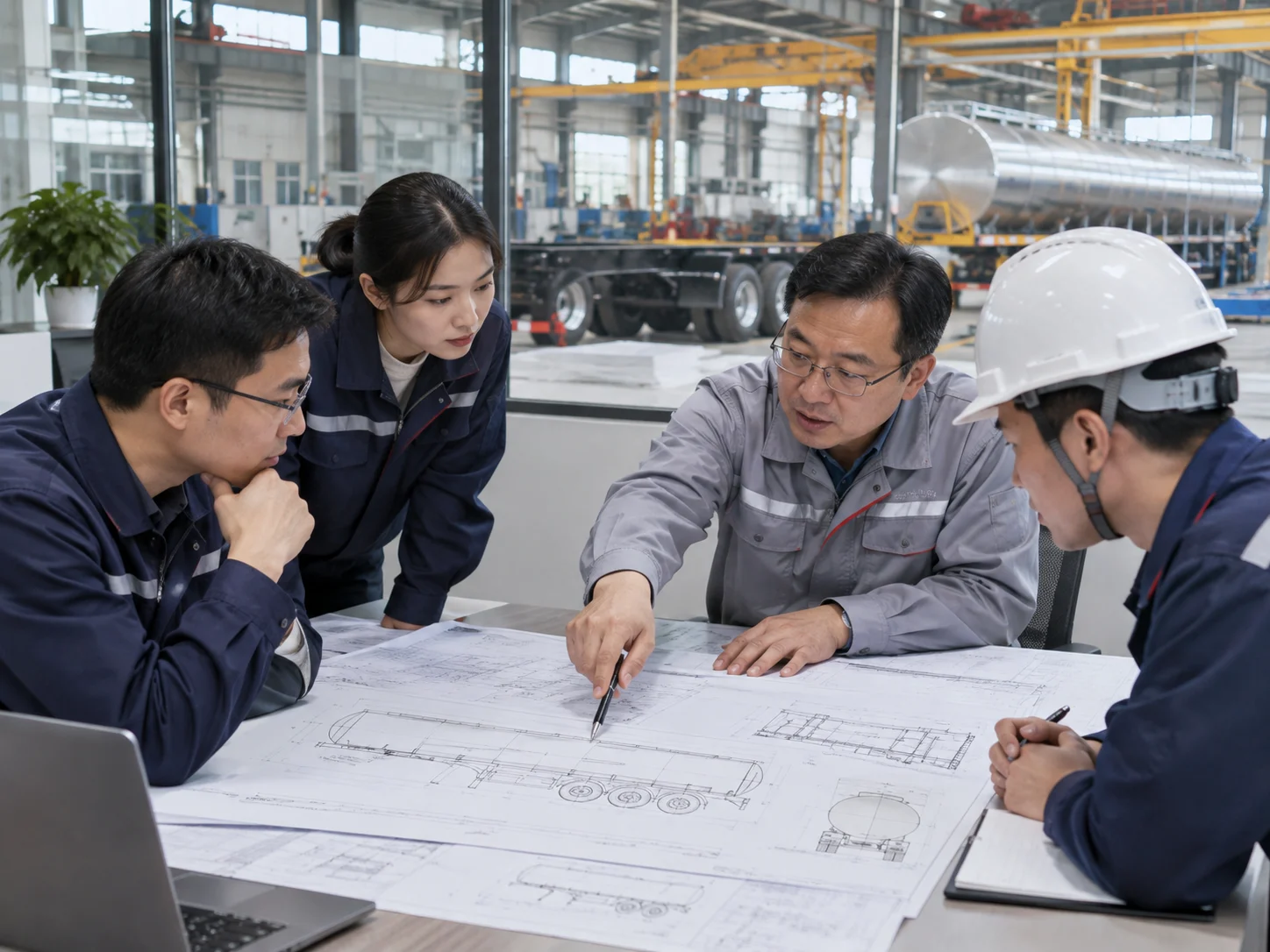
The build starts with a clear arrangement of the chassis, load body and working equipment. Capacity, dimensions, axle layout and tractor connections are brought into one production specification.
For fuel tankers this includes compartments and outlets; for powder tankers, the air and discharge arrangement; for flatbed, fence and tipping trailers, the loading space, access and unloading method.
Plate, profiles and purchased components are selected against the agreed material grades, thicknesses and component schedule. Their intended position in the chassis, tank or body determines the preparation needed.
Material selection considers the load and working environment. Liquid-contact surfaces, abrasive bulk cargo and exposed chassis structures have different requirements.
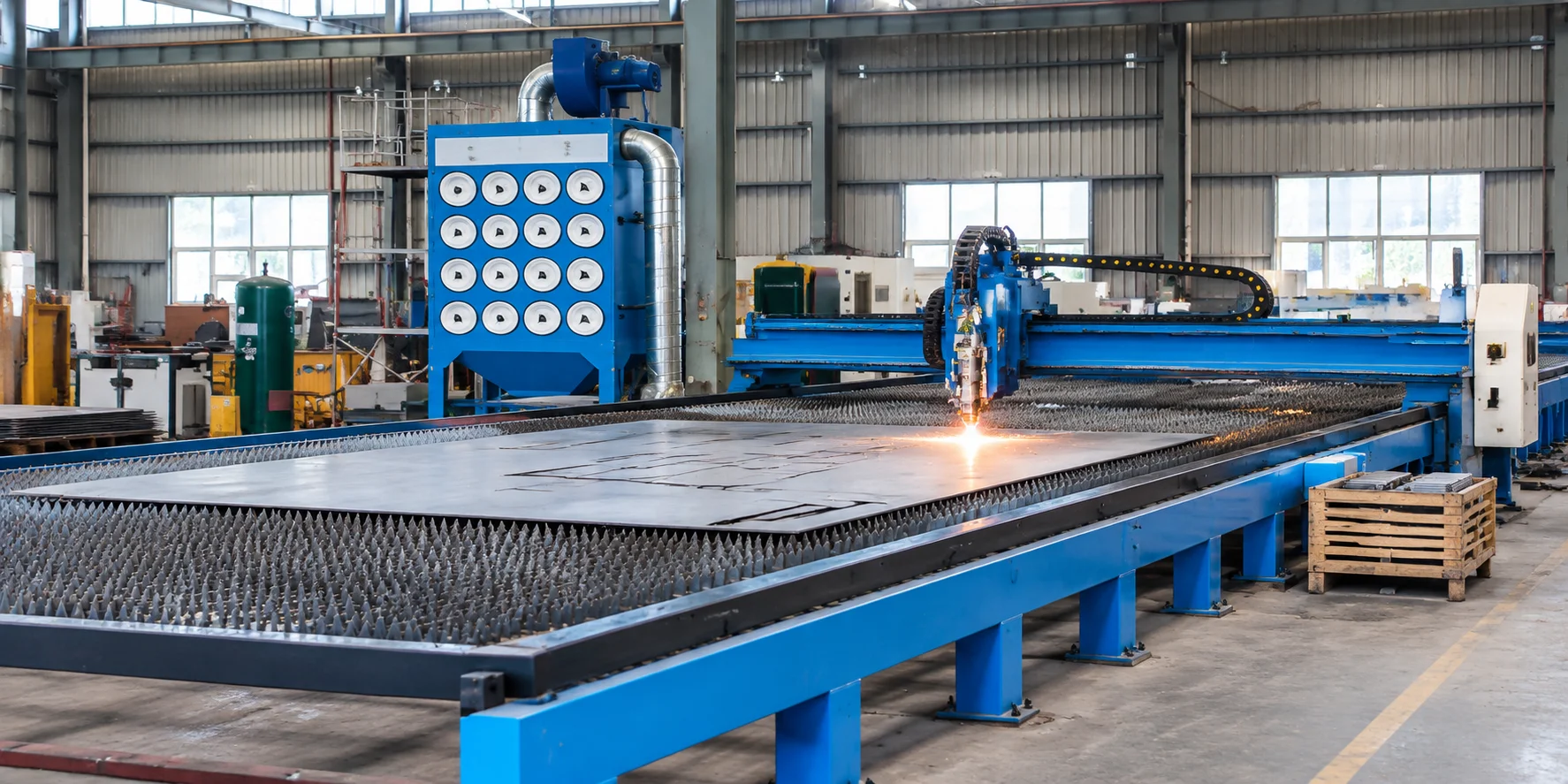
Cutting produces the plate shapes, openings and mounting features used in fabrication. Bending and forming turn those parts into structural sections, tank-shell components and body panels.
Dimensions at this stage affect how adjoining parts fit, including cross-members, supports, gate frames and tank connections.
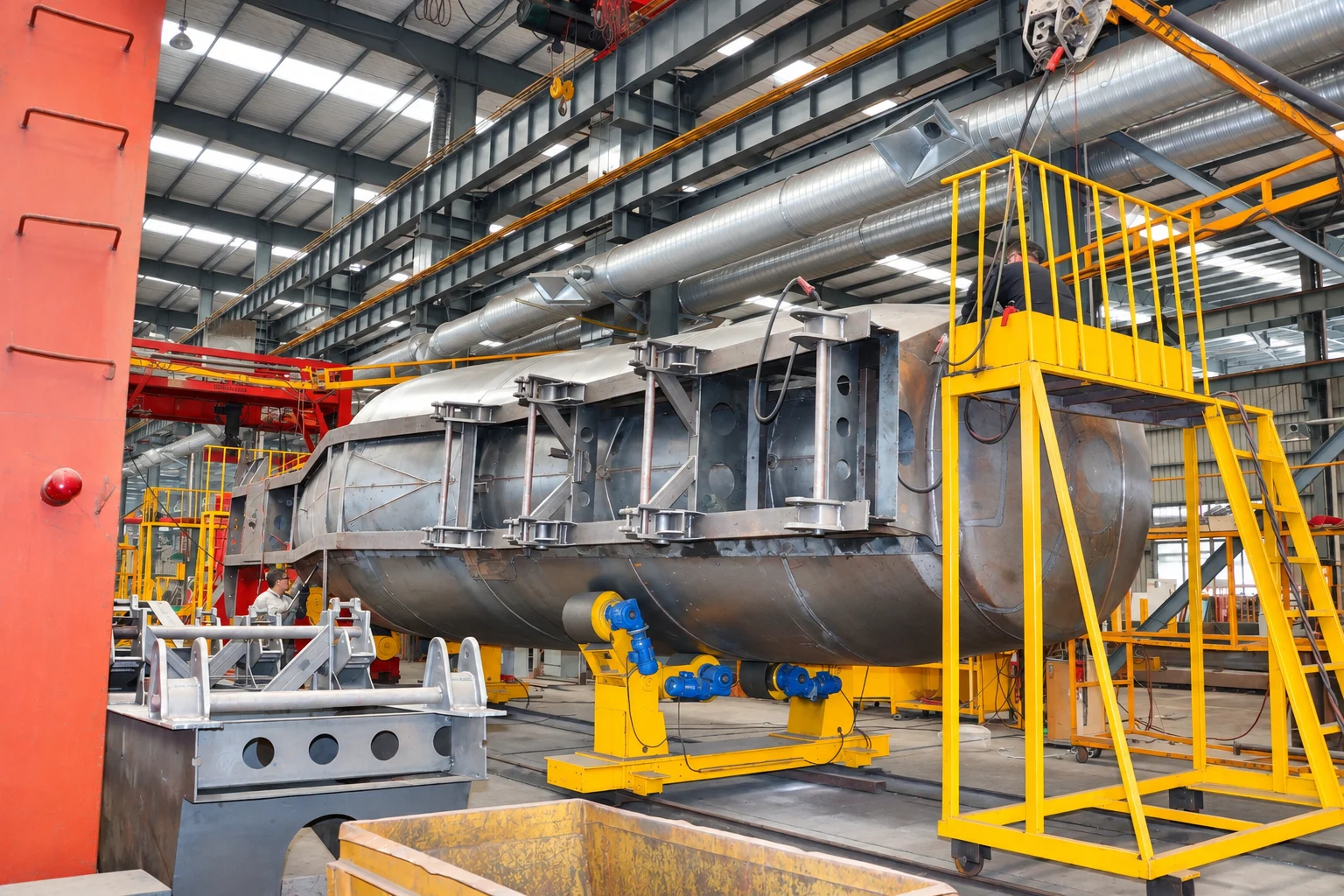
Prepared components are positioned and joined to form the chassis and load-carrying body. The fabrication method is selected for the material, joint and assembly rather than applied as one process to every vehicle.
Fuel and powder tanks require a different joint layout from flatbed beams, fence frames or tipping bodies. Weld access and any specified examination are considered with the fabrication sequence.
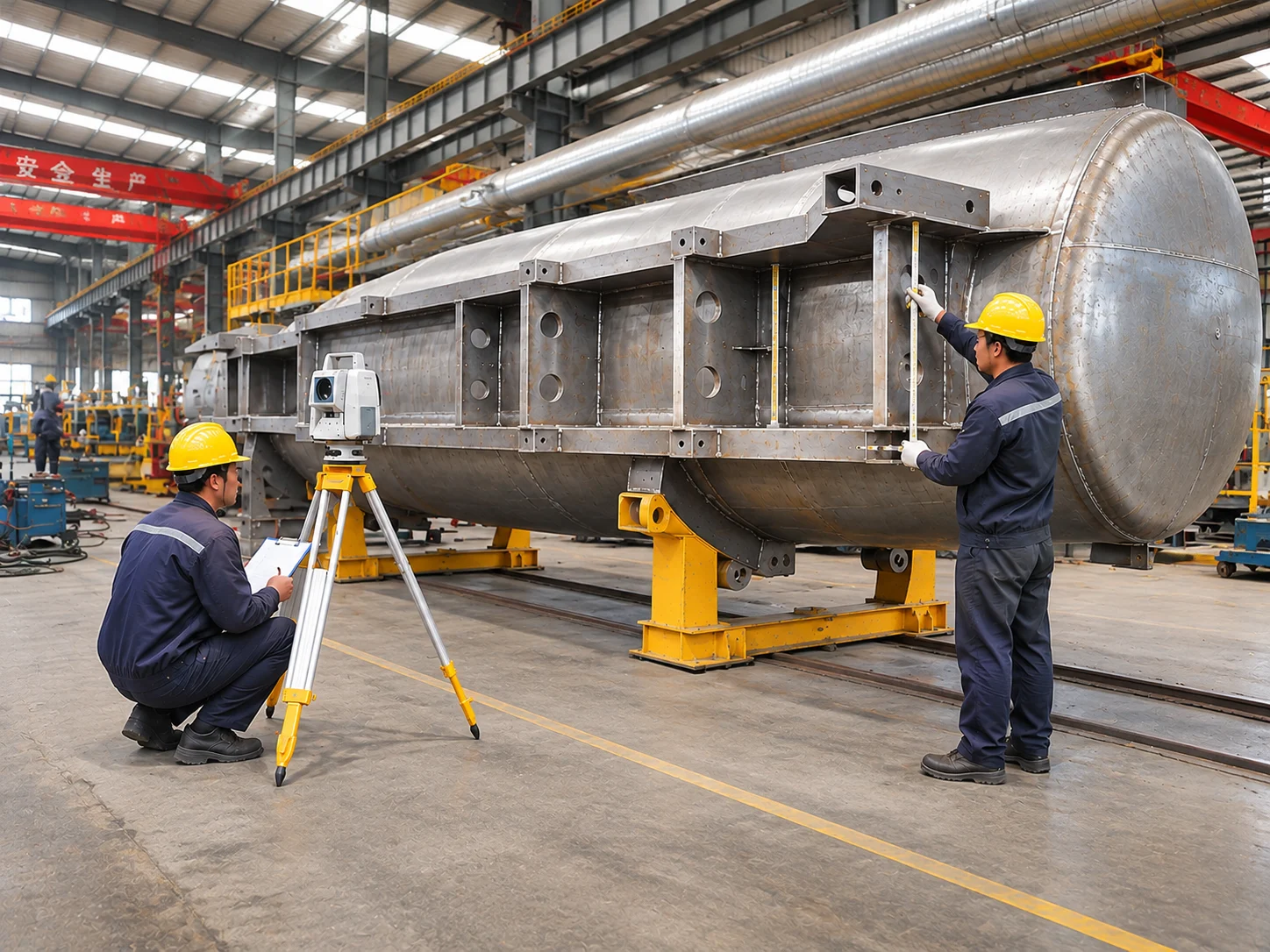
After fabrication, key dimensions and mounting positions are checked against the drawing before the assemblies move forward. Chassis alignment, support locations and body fit all influence later assembly.
This stage helps identify dimensional differences before axles, tank supports, gates or working systems are installed.
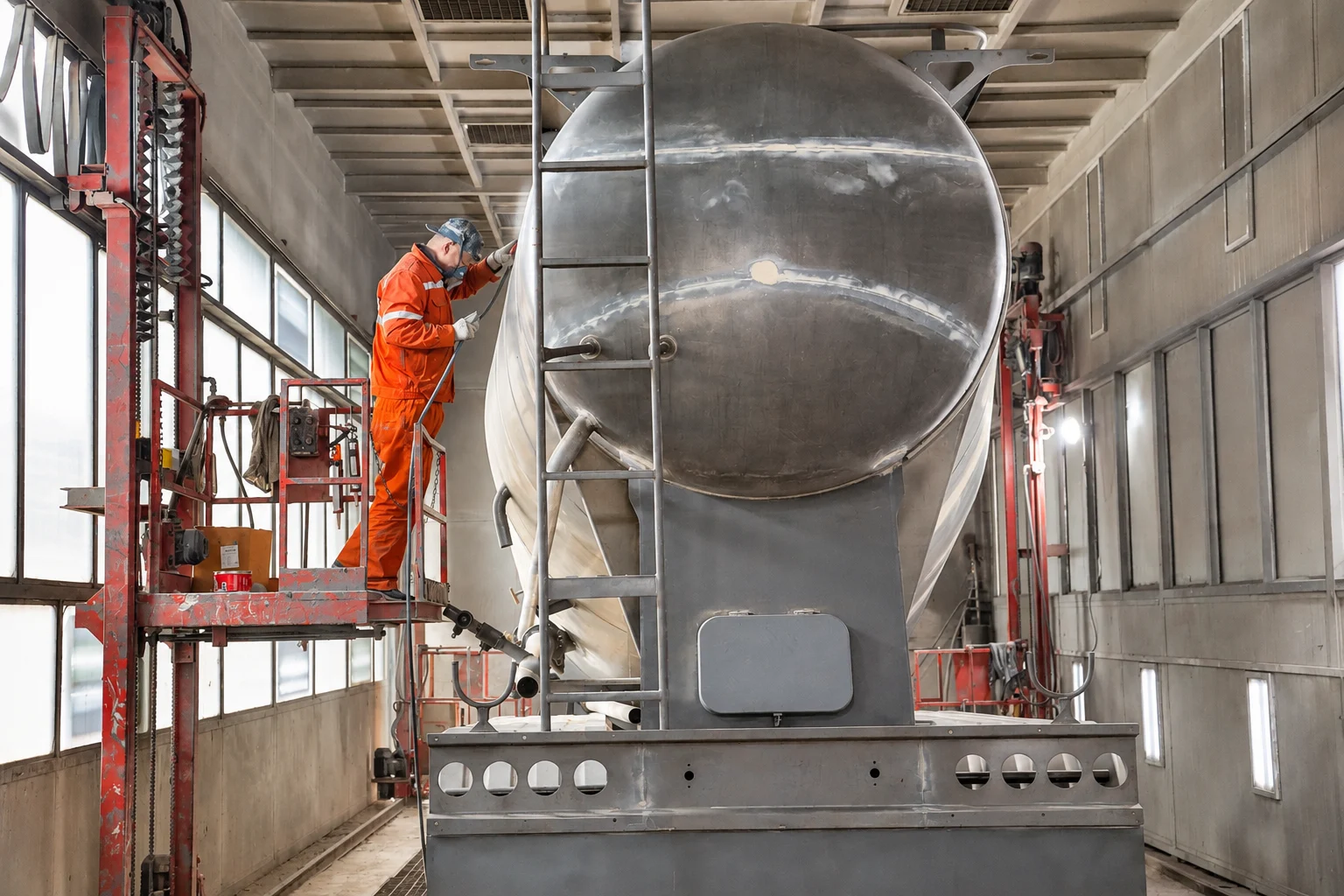
Surfaces are prepared for the specified finish, with attention to weld areas, edges and locations that will be difficult to reach after assembly. The coating system and colour are matched to the material and order.
External weather protection, tank-contact surfaces and wear areas are treated according to their different duties. Customer colours and markings are included in the finishing schedule.
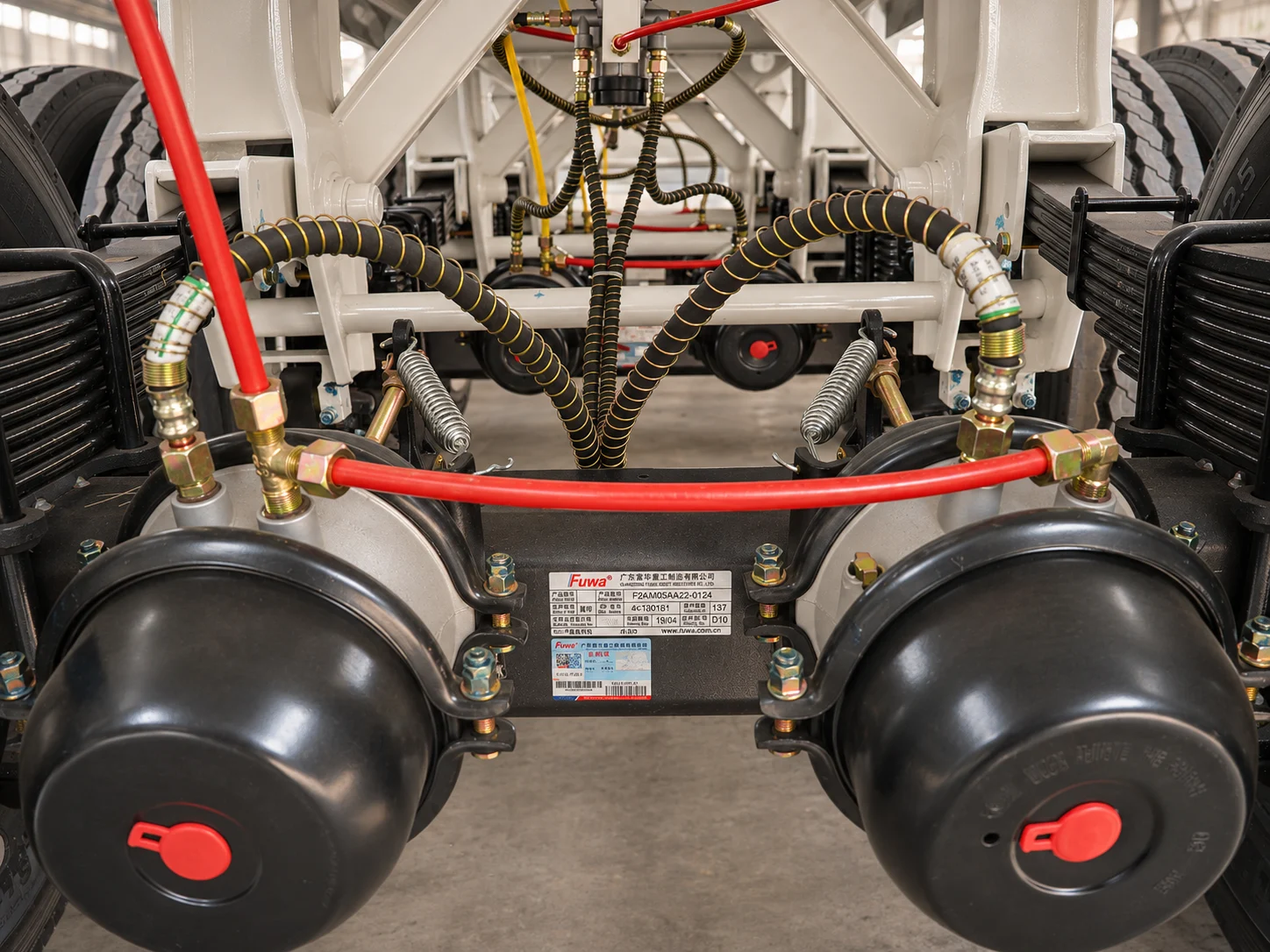
The selected axles, suspension, landing gear, wheels and tyres are installed around the chassis layout. Their positions and interfaces are checked against the configuration list.
The running gear forms part of the tractor-trailer combination. Coupling height, axle loading, ground clearance and local service preferences are considered together.
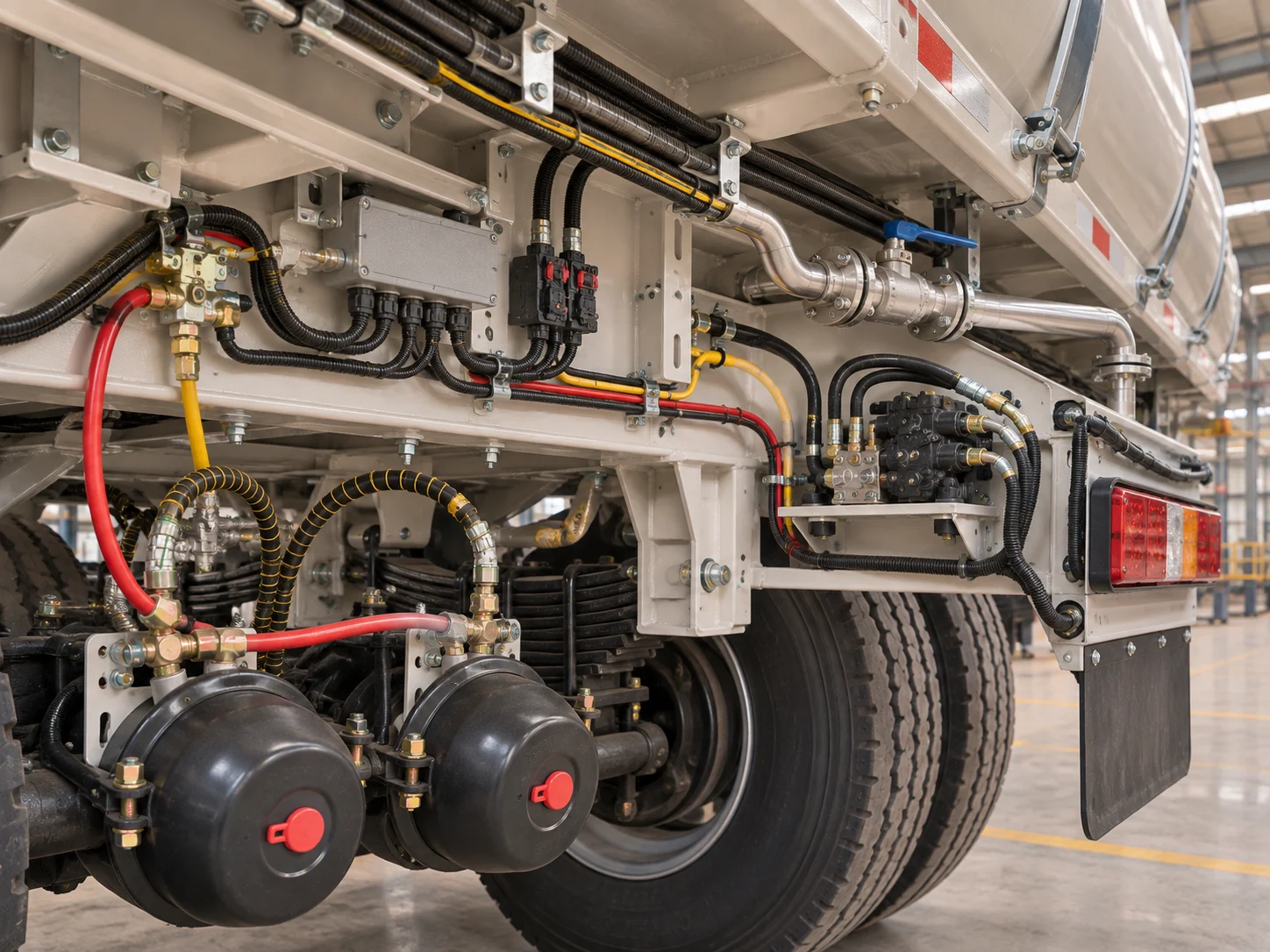
Brake lines, wiring, lights and connectors are fitted to suit the vehicle arrangement. Routing and mounting must allow access for inspection and routine servicing.
Vehicle-specific equipment is integrated at this stage: fuel outlets and transfer equipment, powder discharge pipework, tipping hydraulics, or cargo gates and locking hardware as specified.
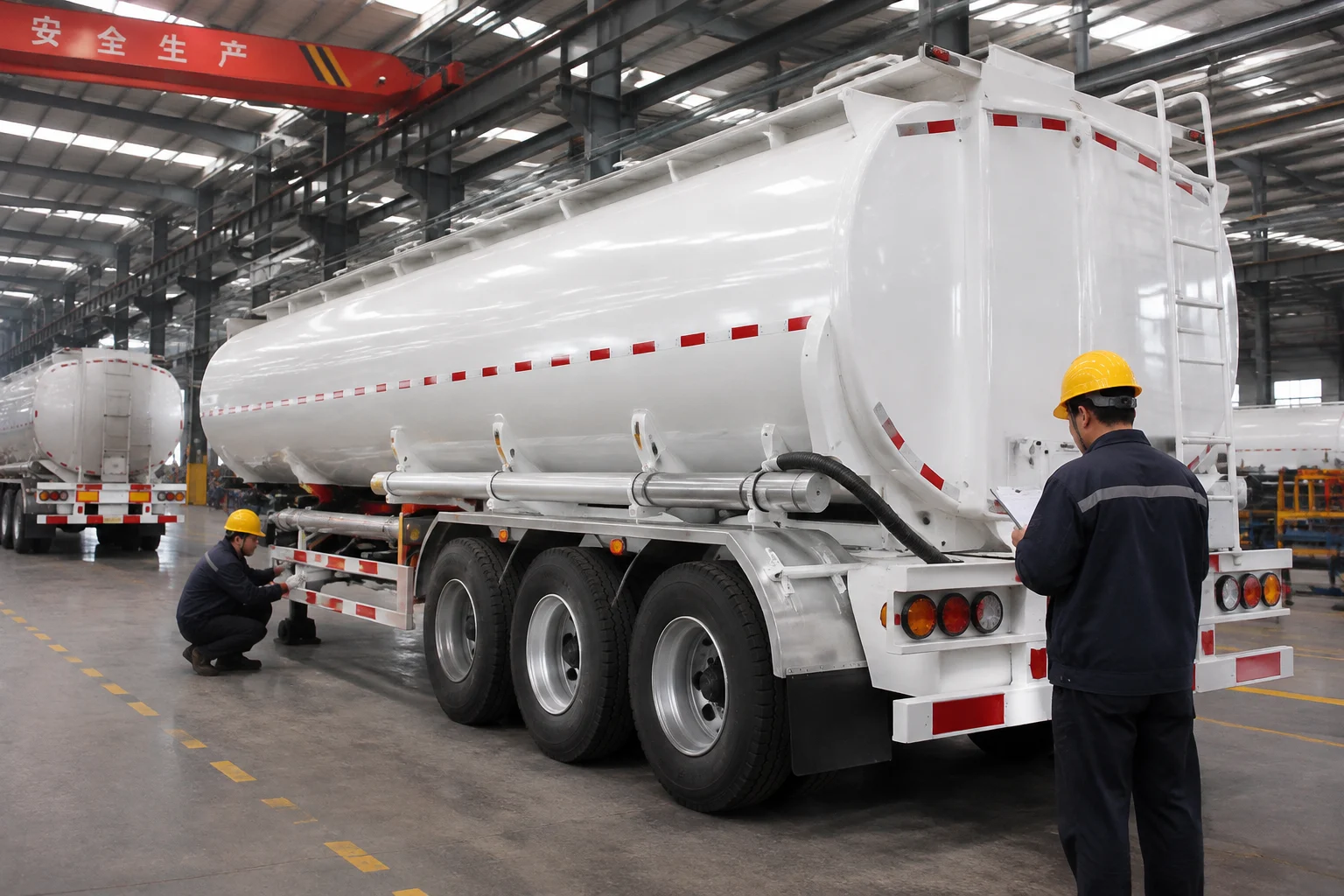
The assembled vehicle is reviewed as a complete unit. The check brings together dimensions, installed components, operating functions, identification and the agreed accessories.
A tanker, tipper and cargo trailer each need checks relevant to their equipment. Any order-specific tests, buyer inspections and supporting records follow the agreed acceptance scope.
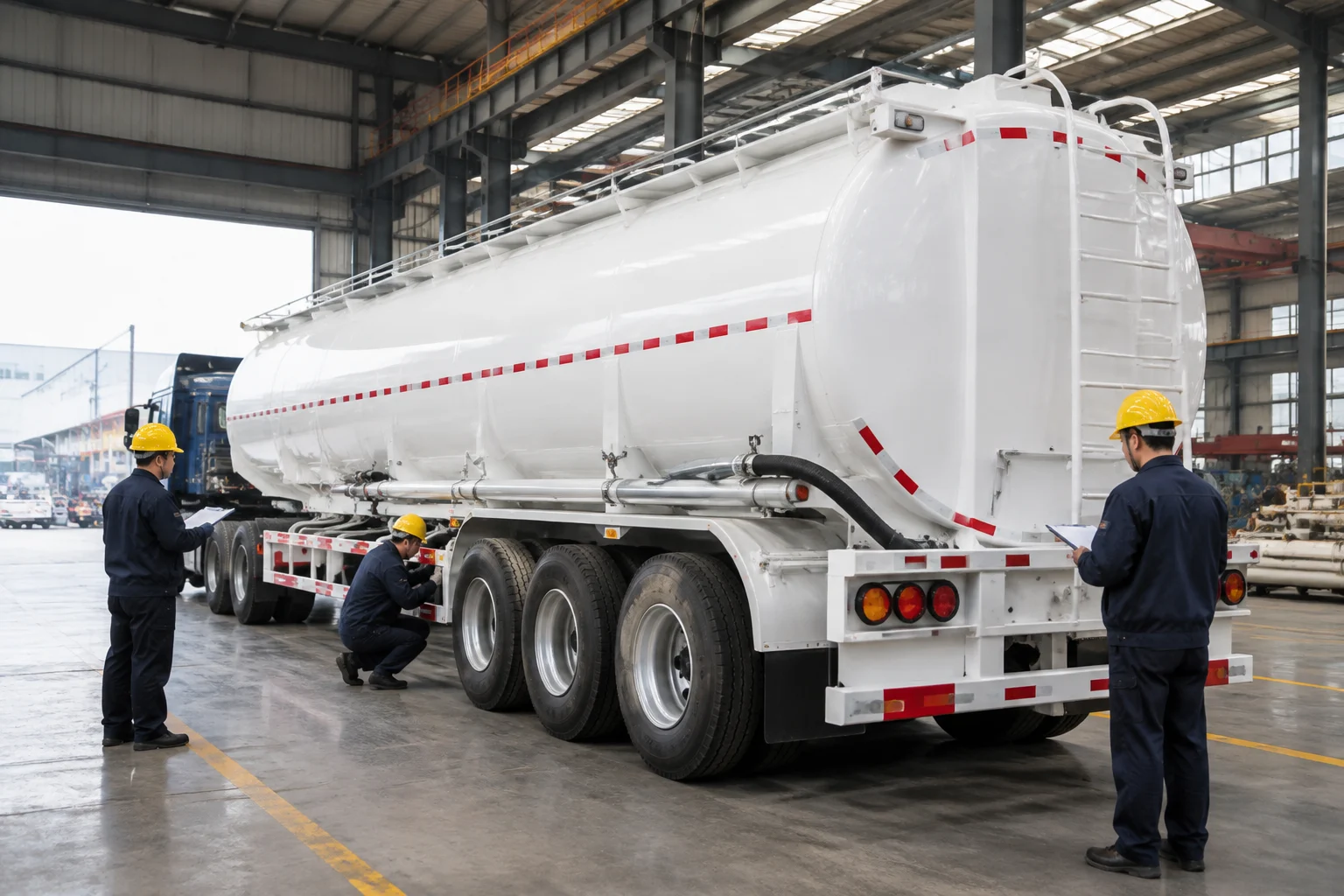
The completed unit is prepared for the selected transport method. This can include protection of exposed parts, securing loose accessories, identifying dismantled assemblies and recording the loading arrangement.
The vehicle reference, packing details and supplied documents are brought together so the receiving team can match the shipment to the order.
No. These ten stages are an overview. Tank forming, platform fabrication and tipping-body assembly have different requirements, and some operations may be combined or sequenced differently. The selected design determines the detailed production route.
Settle the equipment type, cargo or medium, working dimensions, tractor interfaces and component schedule. Include colour, markings and any destination-specific details in the accepted specification. Outstanding choices should be identified before the affected parts enter production.
Tell us which stages matter to your team and whether you need photographs, a video discussion or a factory visit. Agree the scope and timing with the order so the review relates to your equipment and the relevant workshop operations.
A proposed change needs review against the parts already made or purchased. Confirm its effect on the design, price and schedule in writing before implementation. Changes to dimensions, materials or major interfaces can affect more than one production stage.
Tell us the vehicle family you are considering. Discuss the relevant workshop stages and a factory visit with our team.
Send your requirements ↗Describe your application and where the equipment will be used.
Contact via WhatsApp ↗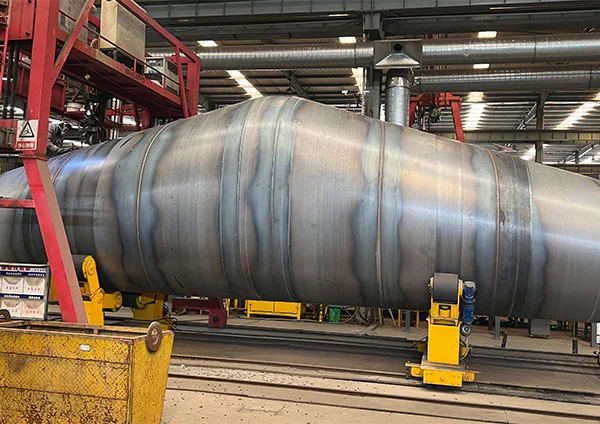
Material, structure, installed equipment and vehicle functions checked against the agreed specification.
Find out more ↗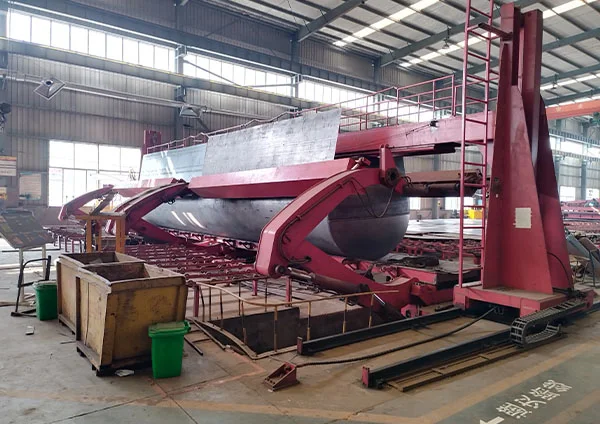
Match the tank, cargo body, chassis and working equipment to your load, route and tractor.
Find out more ↗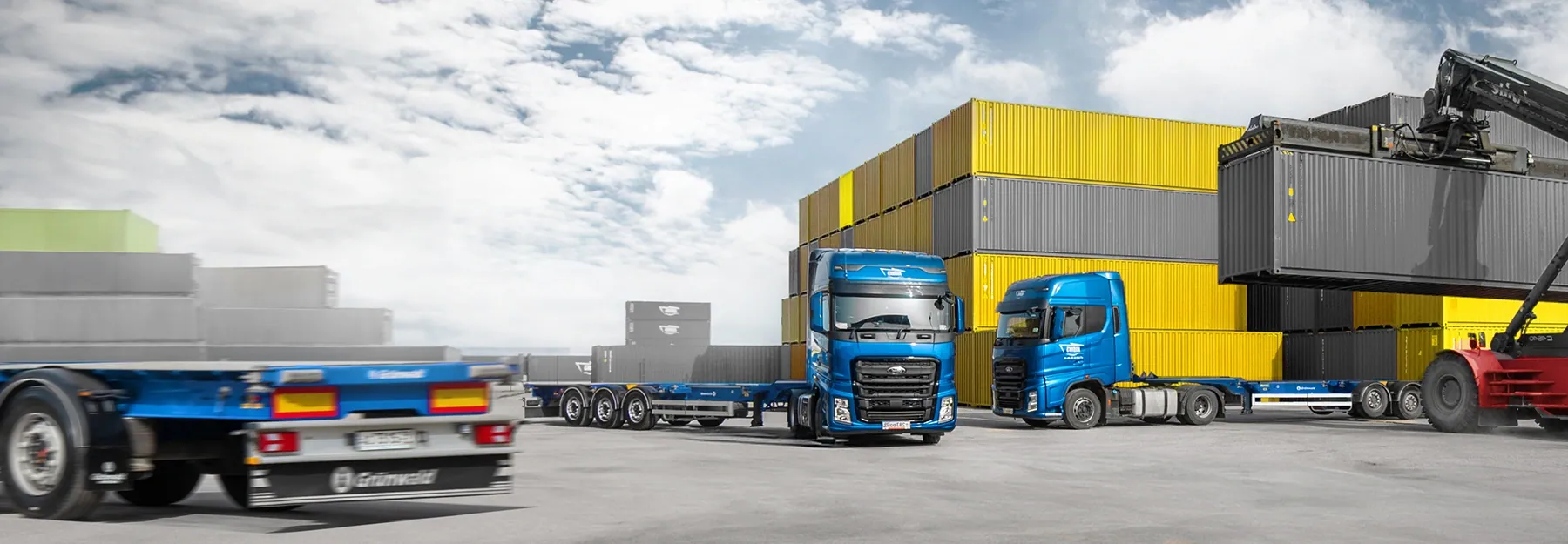
Equipment preparation, shipping arrangements and order documents coordinated around your destination.
Find out more ↗
Technical enquiries and replacement-part support linked to the trailer, its components and the original order.
Find out more ↗ Get a Special Quote ↗