

Tanker Trailers
Tanker Trailers
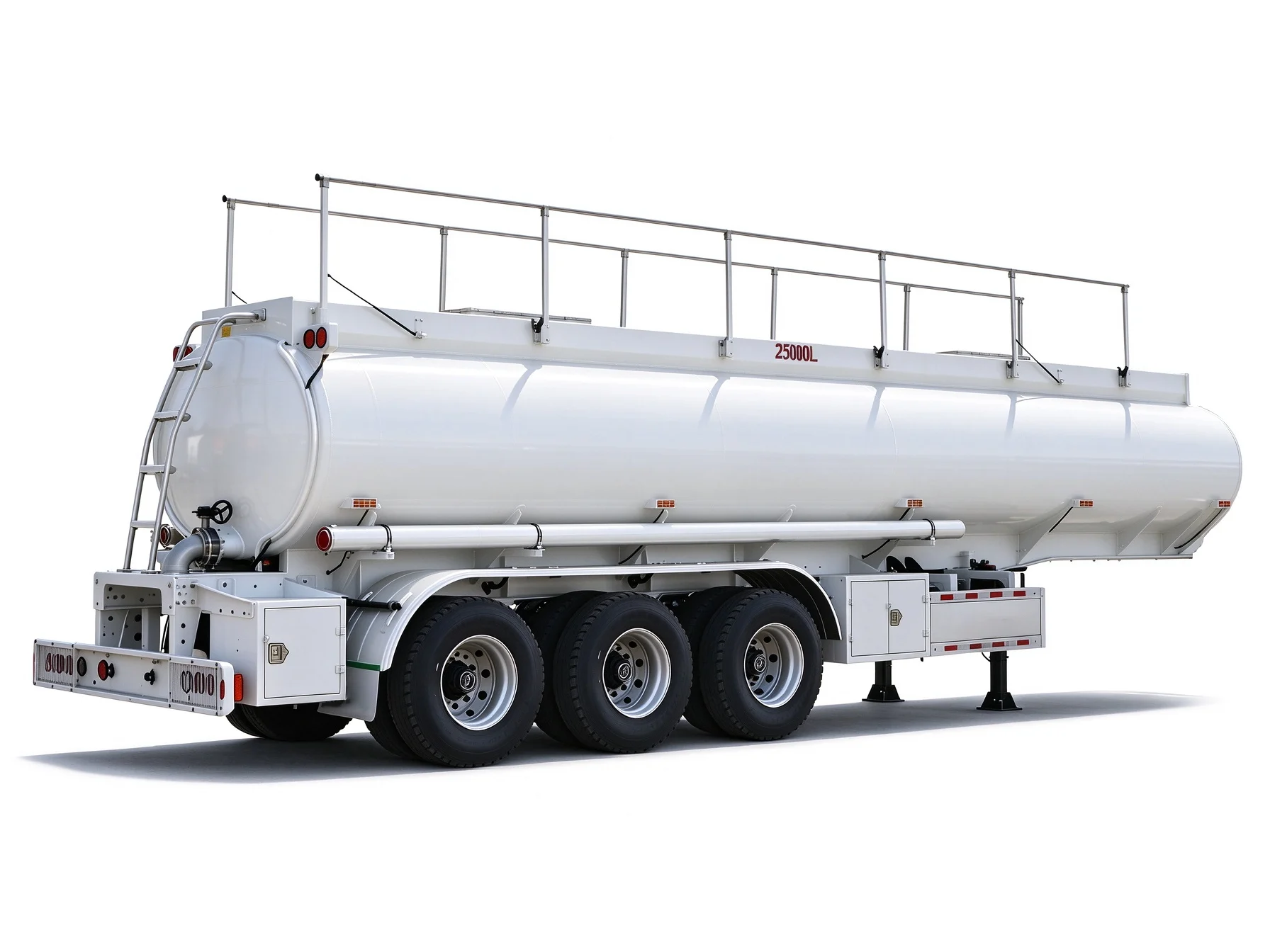
25,000L 3-Axle Single-Compartment Stainless Steel Tanker Semi Trailer
This 25,000L single-compartment stainless steel tanker semi trailer features a three-axle chassis and mechanical suspension.
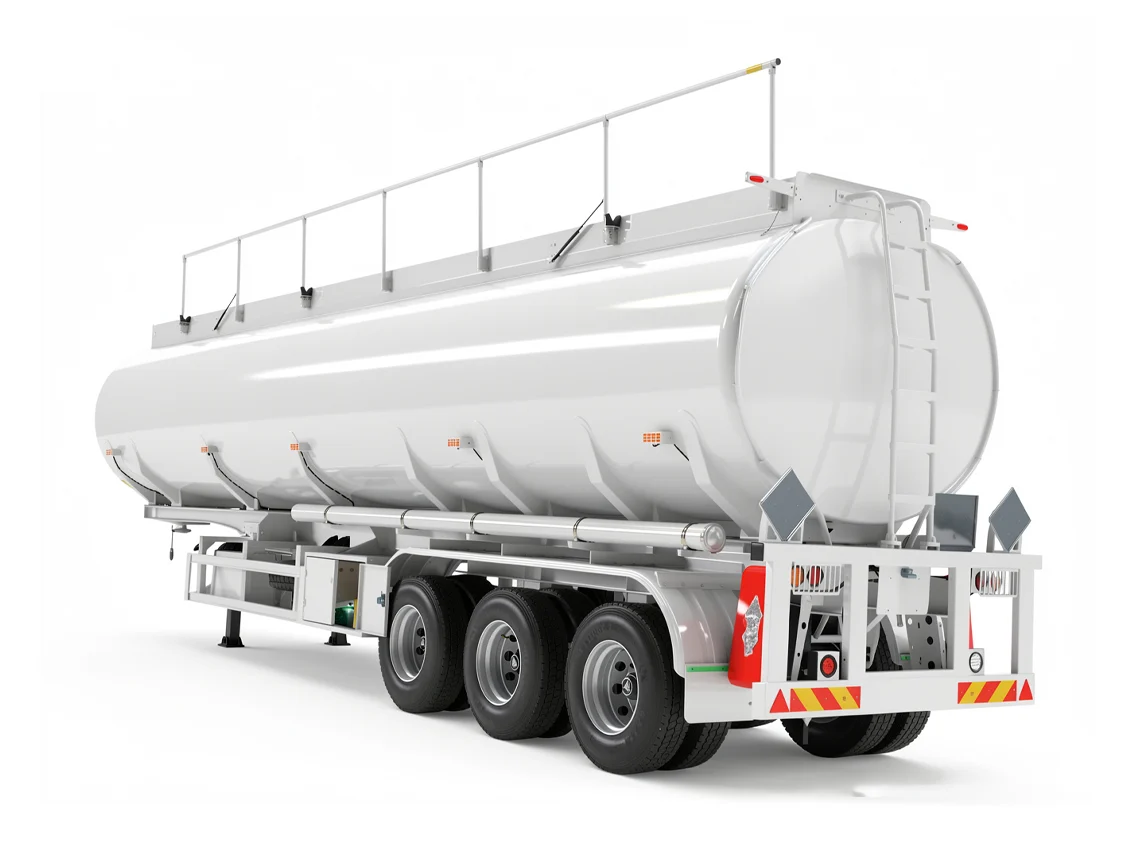
34m³ 3-Compartment Carbon Steel Fuel Tanker Semi Trailer
The 34m³ 3-Compartment Carbon Steel Fuel Tanker Semi Trailer is designed for transporting petroleum and fuel products.
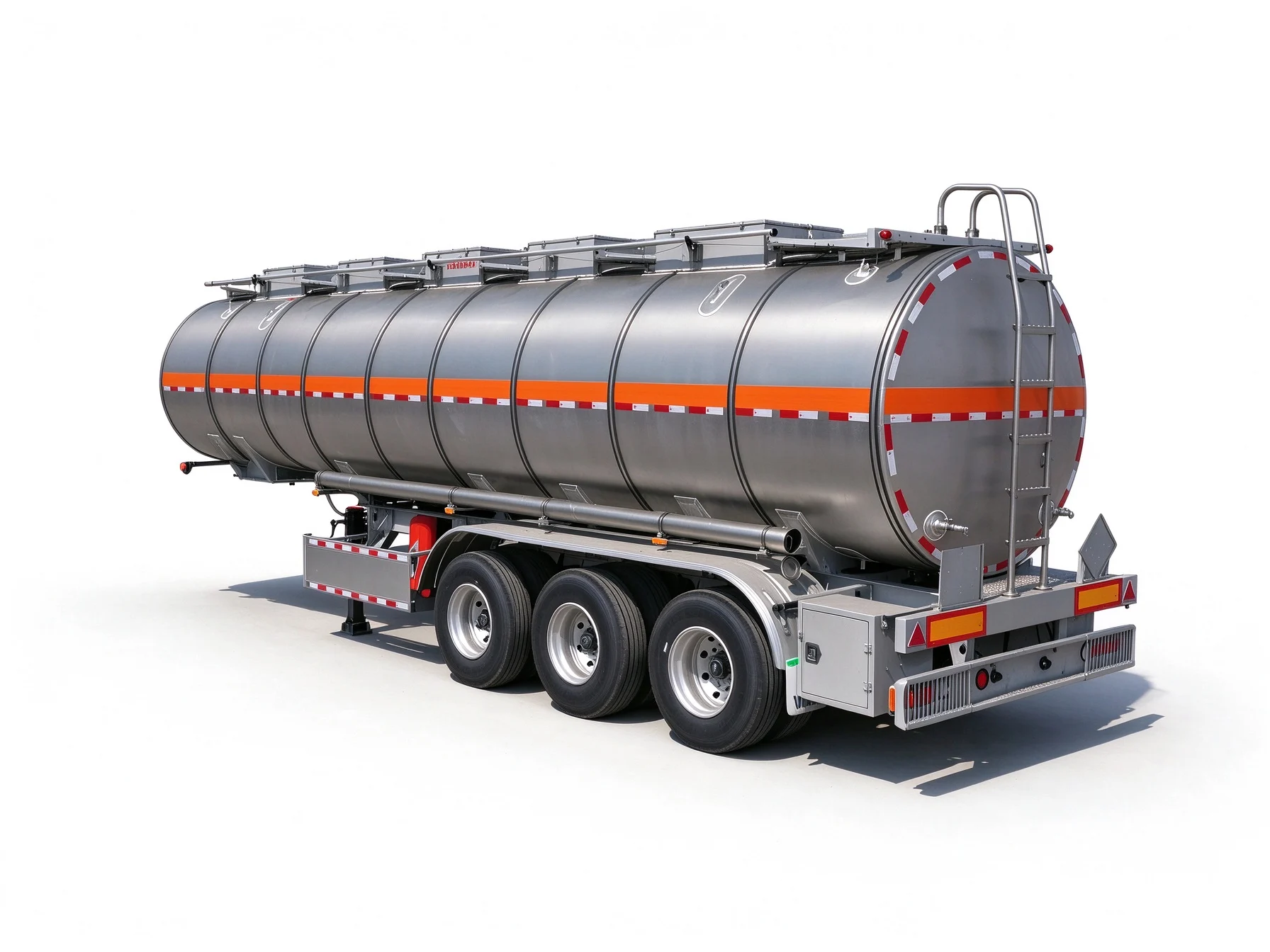
40m³ 5-Compartment Aluminum Oil Tank Semi Trailer for Sale
This 40 CBM aluminum alloy fuel tanker semi-trailer is engineered for the efficient and safe transport of diesel and gasoline.
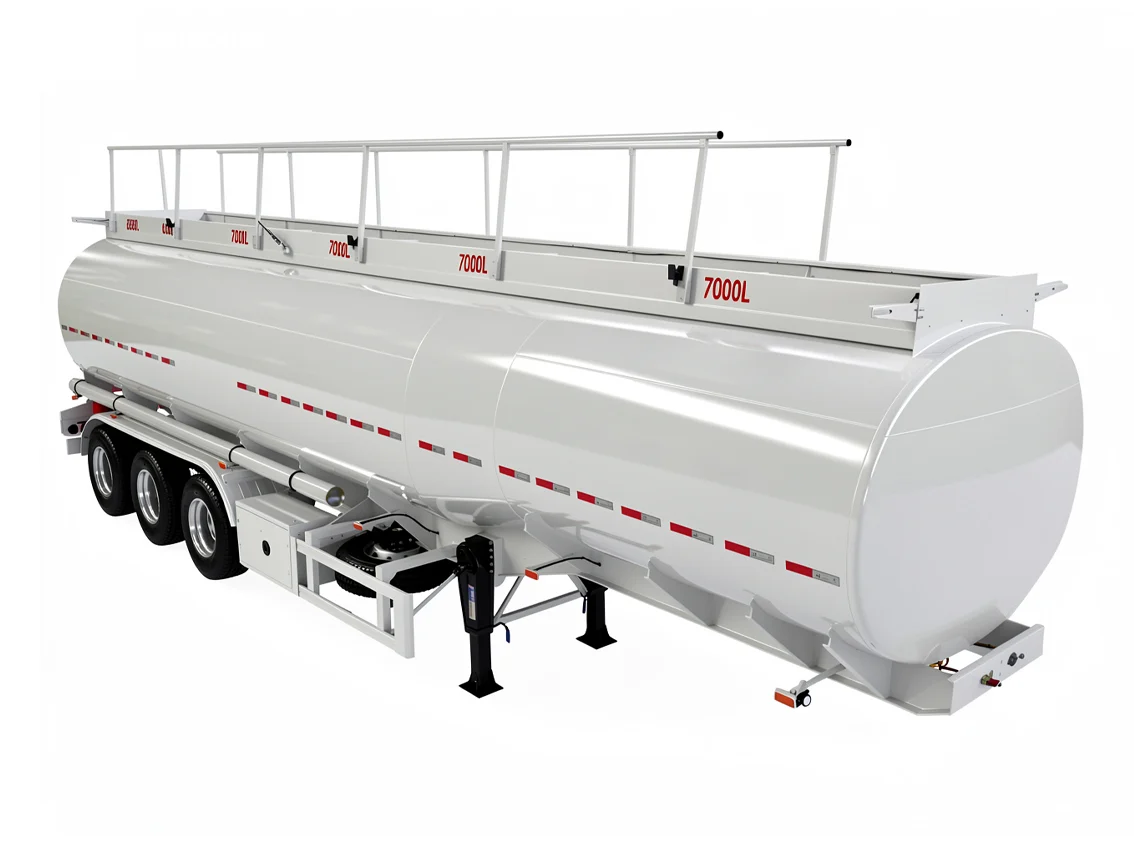
40m3 6-Compartment Carbon Steel Tanker Semi-Trailer
The 40m³ 6-Compartment Carbon Steel Tanker Semi-Trailer is designed for transporting diesel, gasoline, and other compatible petroleum products, subject to the approved tank configuration and local regulations.
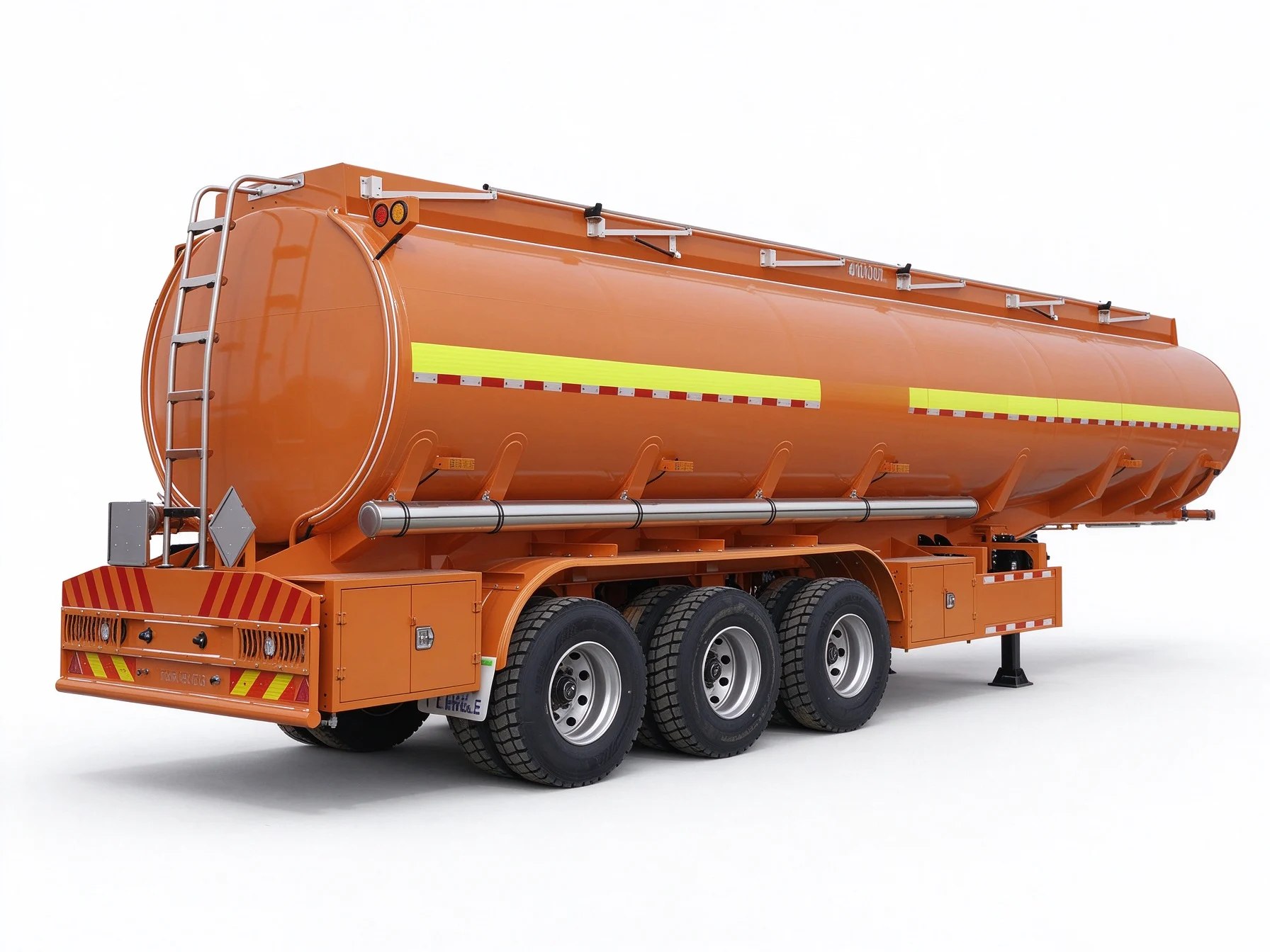
41 m³ Single-Compartment Stainless Steel Tanker
The 41 m³ Single-Compartment Stainless Steel Tanker Truck features a stainless steel tank and a vapor recovery system.
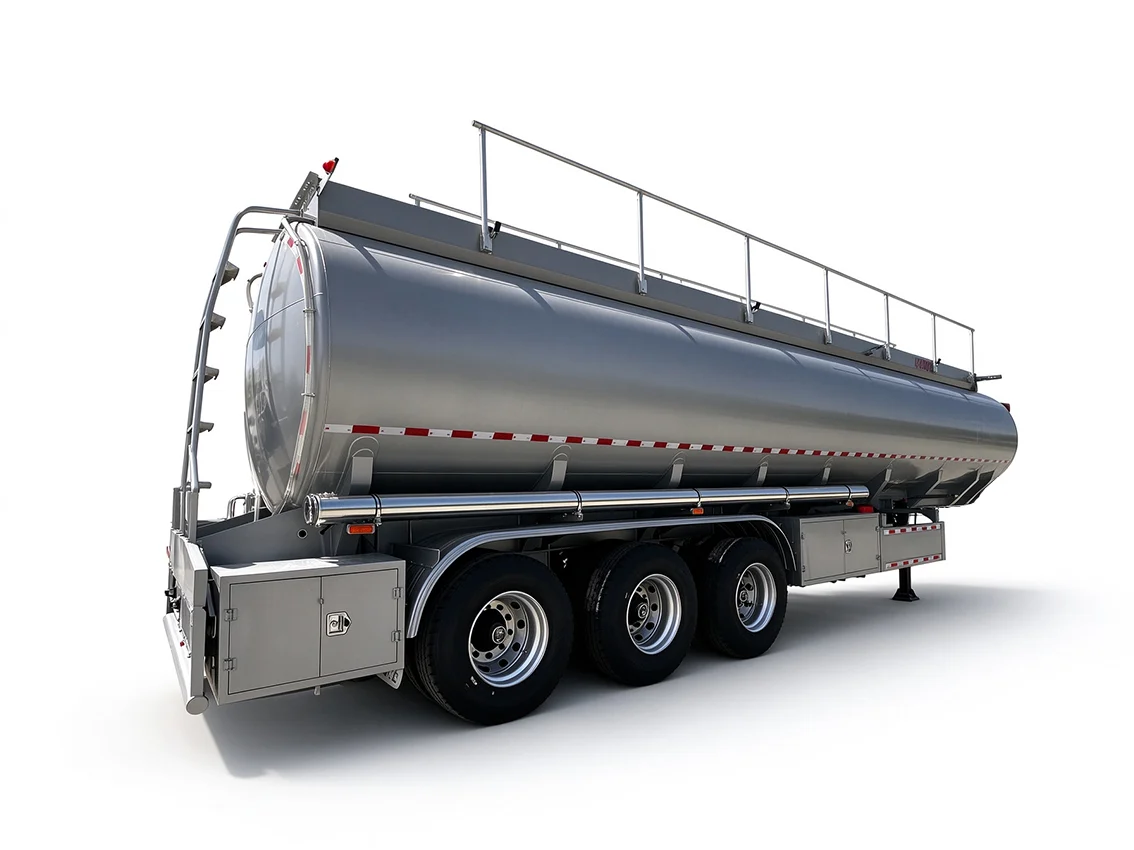
42m3 Single-Compartment Carbon Steel Fuel Tanker
The 42m³ Single-Compartment Carbon Steel Fuel Tanker is designed for efficient bulk fuel transportation and distribution.
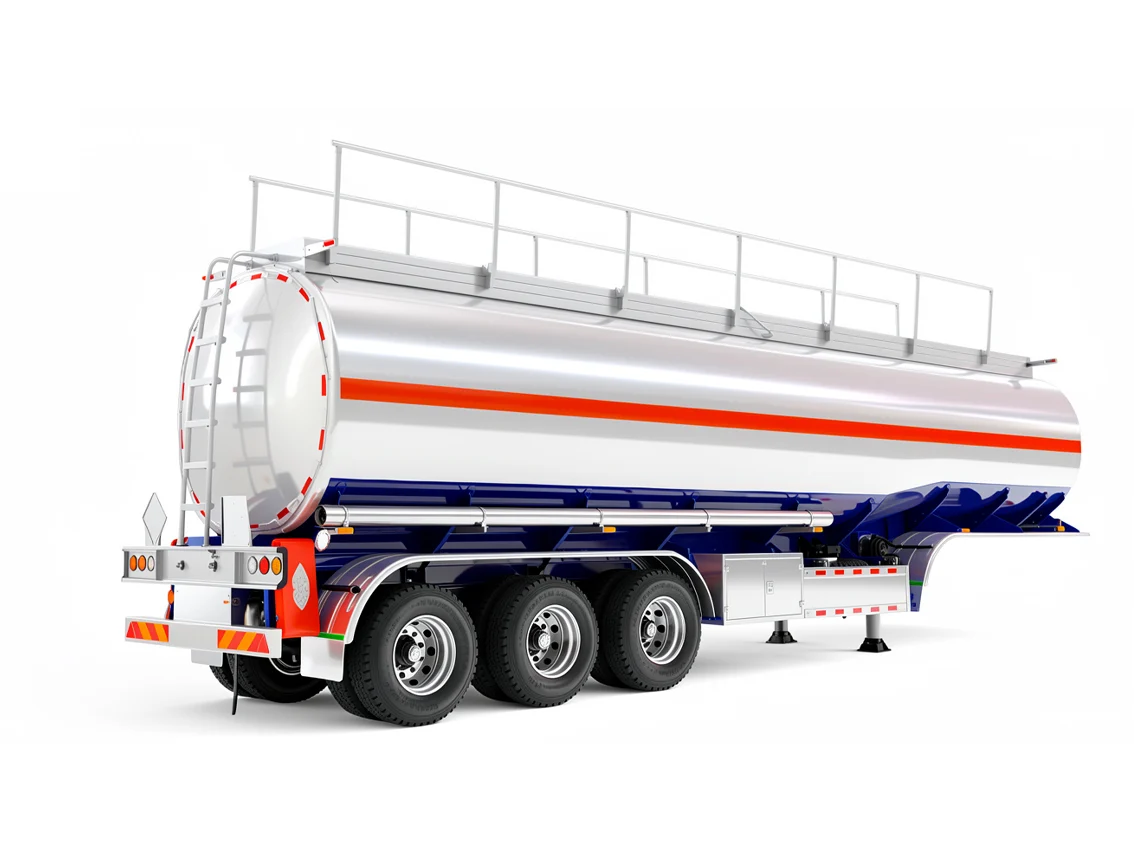
45 cubic meter fuel tanker semi trailer
The 45m³ 6-Compartment Aluminum Fuel Tanker Semi Trailer is designed for transporting gasoline and diesel fuel.
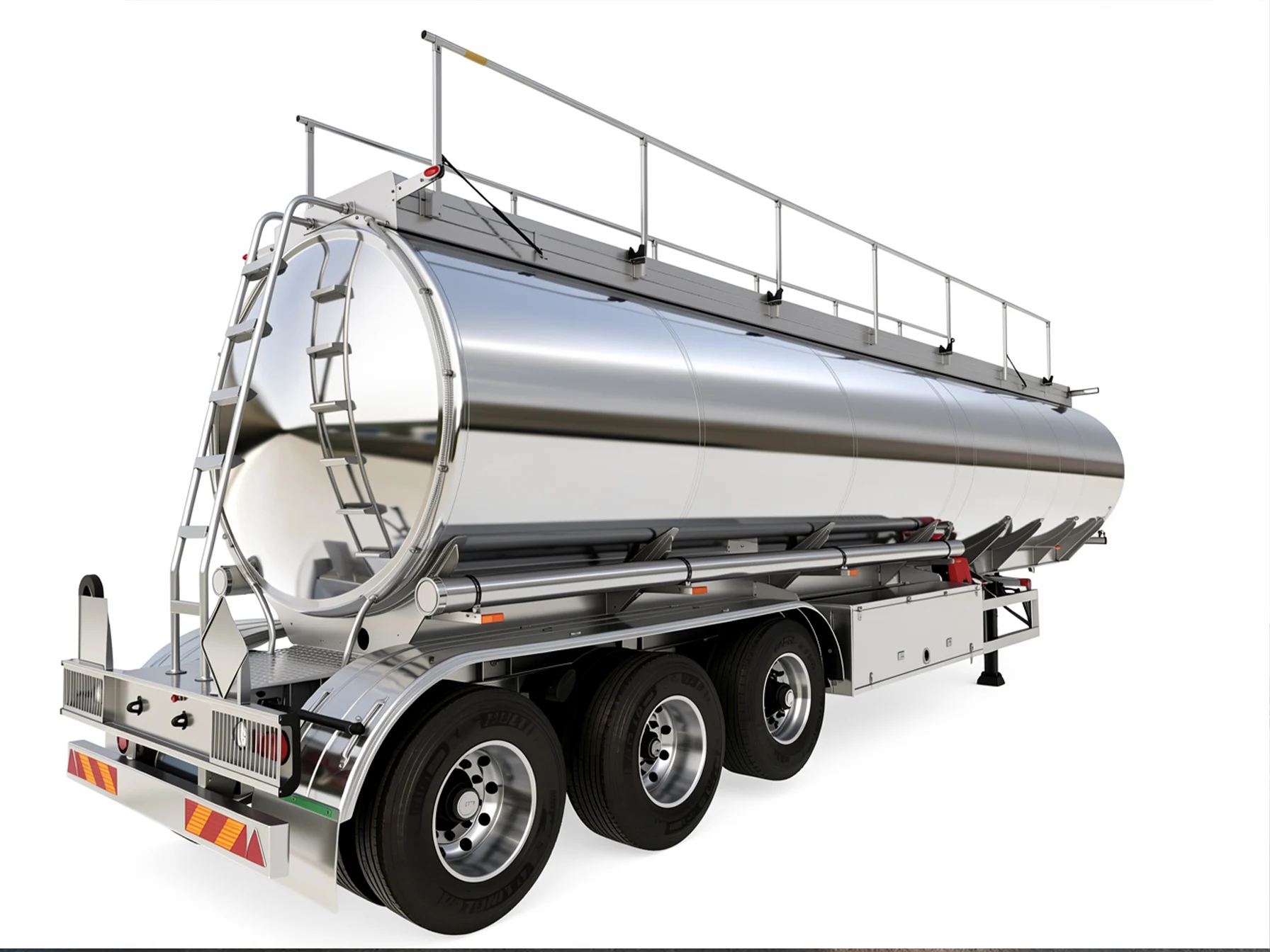
45m³ 7-Compartment Polished Aluminum Alloy Fuel Semi Trailer
This 45m³ 7-compartment polished aluminum alloy fuel semi trailer is designed for gasoline and diesel fuel transportation.
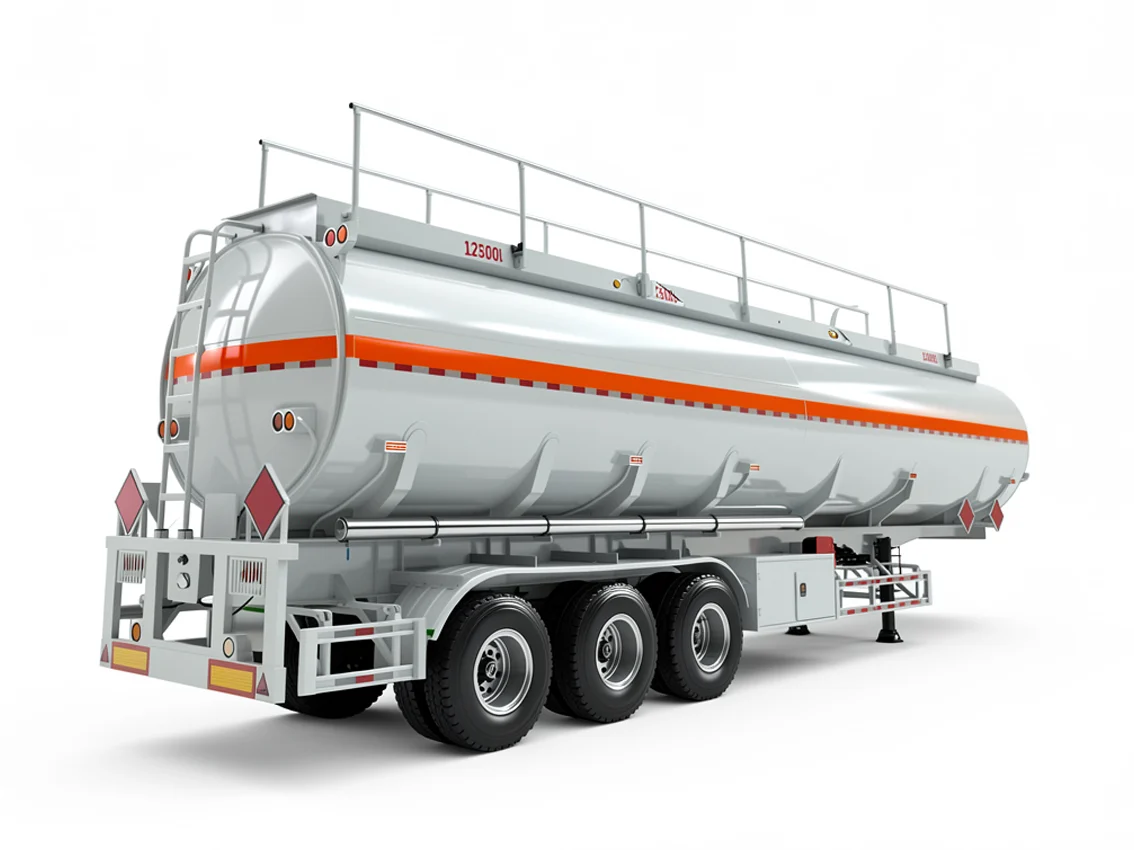
50m3 4-Compartment Carbon Steel Fuel Tanker
The 50m³ 4-Compartment Carbon Steel Fuel Tanker Semi-Trailer is designed for the transportation and distribution of fuel and petroleum products.
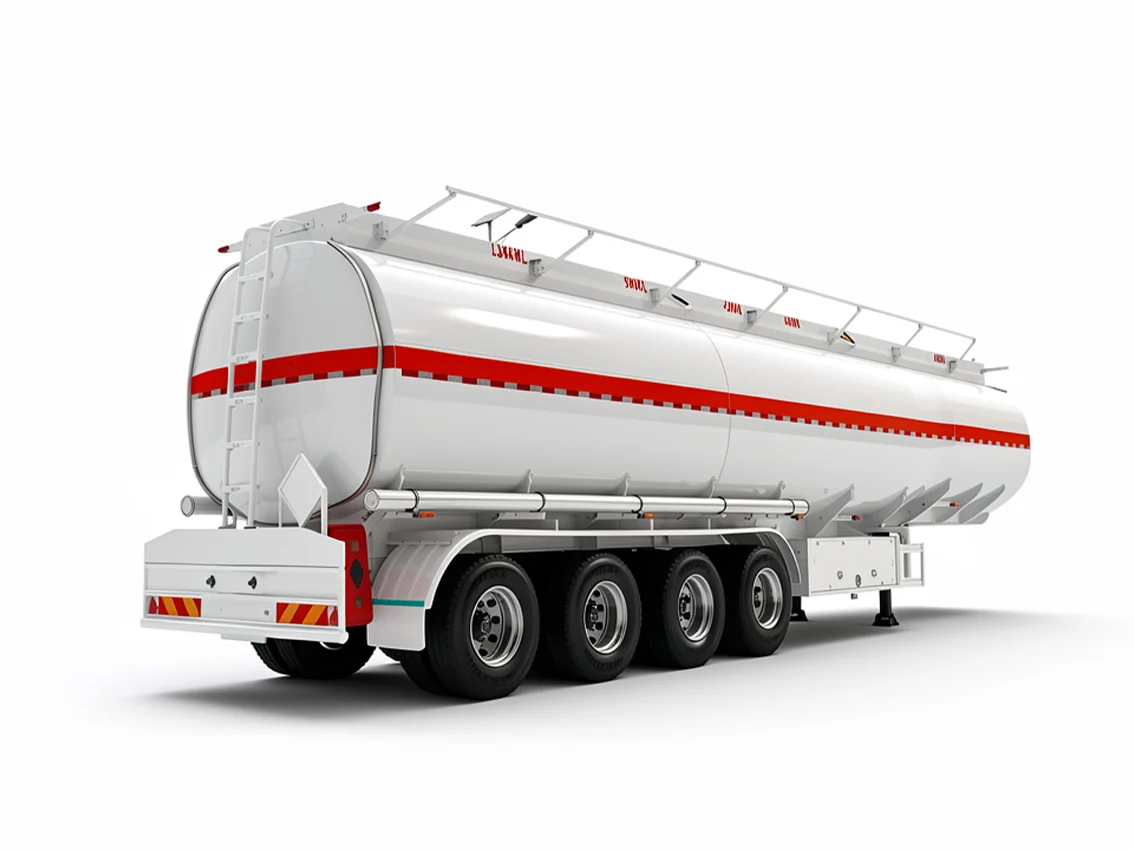
54m3 6-Compartment Carbon Steel Fuel Tanker
The 54m3 6-Compartment Carbon Steel Fuel Tanker is designed for the transportation of gasoline, diesel, and other compatible liquid fuels.
TONGYA Tanker Trailers
Fuel and liquid tanker trailers in carbon steel, aluminium and stainless steel. Compare available tank layouts, compartments and loading connections.
Delivery pattern. List the fuel grades and volume delivered at each stop. State whether grades must remain separate and how each receiving site handles unloading.
Compartment review. Send your preferred distribution of volume across deliveries. Ask for written confirmation of the compartment layout and discharge interfaces offered.
Request a quotation ↗Frequently asked questions
What is a fuel tanker semi-trailer used for?
Fuel tankers carry liquid fuels between depots, distribution points and receiving sites. Their compartment and outlet layout is specified around the fuel grades and delivery pattern.
What does compartment size change in daily operation?
Compartment sizes affect how delivery quantities and fuel grades can be allocated on a trip. The proposed layout should reflect the actual delivery schedule and receiving arrangements.
How are the tank and transfer system related?
Outlet positions, pipework and any selected transfer equipment need to work with the tank layout and the facilities at each end of the journey.
How can I request a compartment arrangement?
Send a typical delivery schedule showing the quantity and grade for each drop. Ask for the proposed compartment allocation and discharge interfaces to be identified on a layout drawing.
What receiving-site interfaces should I provide?
Send the available connection details and unloading requirements for each receiving site. Identify differences between facilities so the proposed arrangement can be reviewed without assuming a single interface suits every stop.
Can I request dispensing or measurement equipment?
Describe the function required and any specification supplied by the buyer or receiving facility. Ask for the equipment offered, its documentation and any exclusions to be confirmed in the quotation.
What should I ask about tank materials and components?
Request the proposed material and component specification for the fuels identified in your inquiry. Include any buyer-specified suppliers or documentation so these can be reviewed before the order is confirmed.
Which tractor details are needed for compatibility?
Provide the tractor configuration, coupling dimensions and available brake and electrical interfaces. Include any additional interface requirements specified for the proposed delivery equipment.
How should route and delivery-site constraints be described?
List access restrictions, vehicle-size limits and the conditions at the most constrained receiving point. Include the intended loaded journey and any destination requirements available from your local adviser.
Which export or approval documents should be discussed?
Provide the document requirements supplied by your importer and relevant local advisers. Request confirmation of the documents available for the quoted tanker and identify any responsibilities outside the supply scope.
What should the inspection and acceptance scope cover?
Agree checks against the approved compartment layout, component list and interface drawings, together with the required inspection records. Define buyer witnessing and document review requirements before confirming the order.
How do I compare fuel tanker quotations?
Compare capacity definitions, compartment allocation, materials, discharge scope and included equipment. Ask for delivery terms, options, exclusions and quotation validity to be stated so the proposals cover comparable requirements.
Send an inquiry
Describe your application and where the equipment will be used.
Contact via WhatsApp ↗